





 ES
ES  EN
EN  FR
FR  PT
PT  RU
RU  FA
FA 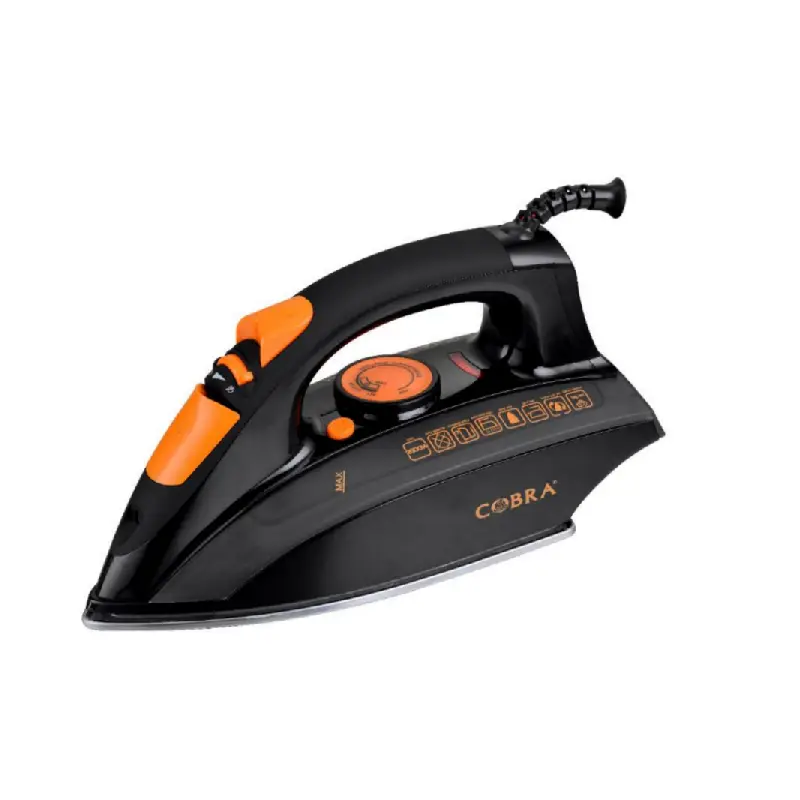
Resumen
The decision between steaming and ironing garments is a nuanced one, contingent upon fabric composition, desired aesthetic, and practical considerations like time and convenience. This analysis examines the distinct mechanisms of action for each method—the direct pressure and high heat of an iron versus the gentle, penetrative vapor of a steamer. An iron is optimal for creating sharp creases and a crisp, structured finish on durable fabrics such as cotton and linen. Conversely, a garment steamer is superior for delicate materials like silk, wool, and embellished textiles, as it relaxes fibers to remove wrinkles without the risk of scorching or crushing the fabric’s texture. The choice also extends to versatility; steamers can sanitize upholstery and drapery, a function irons cannot perform. Ultimately, this examination posits that steaming and ironing are not mutually exclusive but are complementary tools in a comprehensive garment care regimen, with the ideal choice being dictated by the specific requirements of the textile and the intended outcome.
Principales conclusiones
- Use an iron for crisp creases on durable fabrics like cotton and linen.
- Choose a steamer for delicate, embellished, or structured garments like silk or blazers.
- Steaming is faster for quick touch-ups and refreshing clothes between wears.
- Understanding when to steam vs iron depends on the fabric and desired finish.
- Use distilled water in your steamer to prevent mineral buildup and prolong its life.
- Irons provide a pressed, formal look; steamers offer a soft, natural drape.
- Steamers offer versatile home use, sanitizing furniture and curtains effectively.
Índice
- The Fundamental Tension: Heat, Pressure, and Fabric Integrity
- A Comparative Framework: Steamer vs. Iron at a Glance
- The 5 Decisive Rules for Choosing Your Wrinkle-Removal Method
- Mastering Your Tools: Best Practices for Impeccable Results
- The Hybrid Approach: When to Use Both a Steamer and an Iron
- The Broader Context of Modern Home Appliance Ecosystems
- Preguntas más frecuentes (FAQ)
- A Concluding Thought on Garment Care
- Referencias
The Fundamental Tension: Heat, Pressure, and Fabric Integrity
At the heart of every wrinkled shirt or crumpled dress lies a simple physical state: the fabric’s fibers have been bent and creased into new, undesirable positions. Our efforts to smooth them out involve manipulating these fibers back into a uniform alignment. The two primary methods for achieving this, ironing and steaming, approach the problem from fundamentally different perspectives, embodying a classic tension between direct force and gentle persuasion. To make an informed decision about when to steam vs iron, one must first grasp the distinct science behind each tool.
The Philosophy of the Iron: Direct Force and Transformation
An iron operates on the principle of direct, concentrated force. Think of it as a tool of transformation. It combines three elements: heat, weight, and sometimes moisture. A hot, heavy plate is pressed directly onto the fabric. The heat works to loosen the polymer bonds within the fabric’s fibers, making them pliable. The weight and pressure applied by the user then physically flattens these malleable fibers into a new, smooth shape. As the fabric cools, the bonds reform, locking the fibers into their freshly pressed, wrinkle-free state.
Modern steam irons introduce a critical fourth element: steam. This is not to be confused with a garment steamer. In a steam iron, jets of hot vapor are shot through the soleplate directly into the fabric just before the hot plate passes over. This steam pre-moistens and pre-heats the fibers, making them significantly more receptive to the iron’s heat and pressure. It is a powerful combination, particularly effective for stubborn, natural fibers like cotton and linen, which require significant persuasion to release their wrinkles.
The Philosophy of the Steamer: Gentle Relaxation and Restoration
A garment steamer, by contrast, operates on a principle of relaxation and restoration. It is a far less invasive tool. Instead of applying direct pressure, a steamer emits a continuous flow of hot, gentle vapor. This vapor penetrates the fabric, and the combination of heat and moisture relaxes the fibers, allowing them to return to their natural, un-wrinkled state. The garment’s own weight, as it hangs, provides a gentle tension that helps pull the wrinkles out as the fibers relax.
There is no crushing pressure, no direct contact with a scorching-hot plate. This makes steaming an intrinsically gentler process. The high temperature of the steam, often reaching over 200°F (93°C), is sufficient to relax the fibers without the accompanying risk of burning or melting them that comes with an iron (Mehta, 2023). This gentleness is the steamer’s greatest virtue, making it the guardian of delicate, sensitive, and intricately constructed garments.
A Comparative Framework: Steamer vs. Iron at a Glance
To truly understand when to steam vs iron, a direct comparison of their attributes is invaluable. The following table breaks down their characteristics, providing a clear framework for decision-making.
| Característica | Vaporizador para ropa | Plancha de vapor |
|---|---|---|
| Mechanism | Hot steam relaxes fabric fibers without direct contact. | A hot metal plate flattens fibers with direct heat and pressure. |
| Best For Fabrics | Delicates (silk, satin, chiffon, velvet), wool, polyester, embellished items. | Durable fabrics (cotton, linen, denim, canvas), items needing sharp creases. |
| Resulting Finish | Soft, natural, flowing finish. Removes wrinkles while preserving drape. | Crisp, flat, pressed finish. Creates sharp, defined creases and pleats. |
| Speed & Convenience | Very fast for touch-ups. No ironing board needed. Excellent for travel. | Slower setup (requires ironing board). Better for large batches of laundry. |
| Risk of Damage | Very low. Minimal risk of scorching, burning, or melting fabrics. | Higher. Can scorch, burn, or create a “shine” on fabrics if used improperly. |
| Portabilidad | High, especially for handheld models. Easy to store and use anywhere. | Low. The iron and board are bulky and require a dedicated space. |
| Versatilidad | High. Can be used on curtains, upholstery, bedding, and to sanitize surfaces. | Low. Primarily limited to use on clothing and flat textiles. |
| Effectiveness | Excellent for light to moderate wrinkles and refreshing garments. | Superior for deep-set, stubborn wrinkles and creating structure. |
The 5 Decisive Rules for Choosing Your Wrinkle-Removal Method
With the foundational principles established, we can articulate a set of practical rules. These five guideposts will help you navigate the daily question of when to steam vs iron, ensuring you choose the right tool not just for the job, but for the longevity and beauty of your wardrobe.
Rule 1: Heed the Fabric’s Nature – The Delicate vs. Durable Divide
The single most important factor in your decision is the fabric itself. Garments are not created equal; their fibers possess unique tolerances to heat and pressure.
For delicate fabrics, a steamer is the undisputed champion. Materials like silk, chiffon, satin, and velvet have a fine structure that can be easily damaged. The direct, high heat of an iron can scorch or even melt these fibers, leaving behind a shiny, irreparable mark. For fabrics with a pile, like velvet or corduroy, an iron will crush the texture, permanently flattening its distinctive finish. A steamer gently coaxes wrinkles out of these materials by relaxing their fibers from a safe distance, preserving both their integrity and their unique texture. Synthetics like polyester and nylon also fall into this category; they are sensitive to high heat and respond beautifully to the gentle persuasion of steam.
Conversely, for durable, natural fabrics, the iron remains supreme. Cotton, particularly in the form of dress shirts, and linen are notorious for their tendency to form deep, stubborn wrinkles. The high heat and direct pressure of an iron are necessary to flatten these robust fibers effectively. A steamer might relax some of the wrinkles on a linen shirt, but it will not produce the sharp, crisp finish that is often desired. The weight of the iron is essential for achieving that polished, professionally pressed look. Denim and canvas similarly benefit from an iron’s power when wrinkles need to be addressed.
Rule 2: Consider the Desired Finish – The Crisp Crease vs. The Soft Drape
Beyond fabric safety, consider the aesthetic you wish to achieve. The final look of the garment is profoundly influenced by your choice of tool.
If your goal is structure and precision, reach for the iron. An iron excels at creating sharp, defined lines. Think of the crisp center crease on a pair of trousers, the sharp edges of a shirt collar and cuffs, or the neat folds of a pleat. The pressure of the iron is what sets these creases. A steamer, lacking this pressure, simply cannot produce such a defined result. For business attire, formal wear, and any garment where a sharp, tailored appearance is paramount, ironing is the correct and only path.
If, however, the goal is to preserve the garment’s natural flow and softness, the steamer is your ally. Steaming removes wrinkles while maintaining the fabric’s inherent drape and volume. It is ideal for blouses, skirts, dresses, and knitwear (like sweaters) that are meant to hang softly on the body. Ironing these items can flatten them, making them appear stiff and lifeless. A steamer restores them to a pristine, wrinkle-free state without sacrificing their intended shape and movement. It provides a “finished but not formal” look that is perfect for a vast range of modern clothing.
Rule 3: Evaluate the Garment’s Construction and Embellishments
Clothing is more than just flat fabric; it is a three-dimensional object, often with delicate details that demand careful handling.
Garments with embellishments—such as beading, sequins, embroidery, or screen prints—are perilous territory for an iron. The direct heat can melt plastic beads, damage delicate thread, or ruin a printed design. A steamer can navigate these complex surfaces with ease. By applying steam from the reverse side of the fabric or from a safe distance on the front, you can remove wrinkles from the surrounding material without ever touching the delicate additions.
Tailored garments like blazers, suit jackets, and structured coats also benefit more from steaming. While you might use an iron with a press cloth on certain parts, the overall structure of these items, including shoulder pads and interfacing, can be flattened and distorted by aggressive ironing. Steaming allows you to refresh the garment, remove surface wrinkles from travel or storage, and kill odors without compromising the tailored shape. It is the preferred method for the routine maintenance of fine tailoring.
Rule 4: Acknowledge the Constraints of Time and Space
Practicality is a perfectly valid consideration in garment care. Your available time and space will often steer your decision.
Steaming is the clear winner for speed and convenience. A handheld steamer heats up in under a minute. You can de-wrinkle a shirt on its hanger in two to three minutes without the hassle of setting up an ironing board. This makes it an indispensable tool for last-minute touch-ups before heading out the door, for refreshing an outfit that has been sitting in the closet, or for travel. Its small footprint makes it easy to store and use in any room, a significant advantage over the bulky iron and board combination.
Ironing is a more deliberate, and often more time-consuming, process. It requires a dedicated space for the ironing board and is better suited to tackling a large batch of laundry in one session. While a single shirt might be ironed quickly by an expert, the total time including setup and breakdown is longer than a quick steam. When you have a pile of cotton shirts to get through on a Sunday afternoon, setting up the ironing station is efficient. When you have five minutes before a meeting to fix a wrinkled collar, the steamer is the only logical choice.
Rule 5: Look Beyond Clothing – The Versatility Factor
A key distinction that often settles the when to steam vs iron debate for those looking to invest in a new appliance is versatility.
A garment steamer’s utility extends far beyond the wardrobe. The high-temperature steam it produces is a powerful sanitizing agent. It can be used to kill bacteria, dust mites, and allergens on surfaces that are difficult or impossible to launder (Mehta, 2023). This makes it an excellent tool for refreshing upholstered furniture, sanitizing mattresses and pillows, and de-wrinkling and cleaning curtains and drapes without having to take them down. This multi-functionality adds significant value, positioning the steamer as a comprehensive home care appliance.
The iron, in contrast, is a specialist. Its design is singularly focused on pressing flat textiles. While it performs its primary function exceptionally well, it lacks the broad applicability of a steamer. You cannot use it to sanitize your sofa or refresh your bedding in the same way. For a household seeking a tool that can handle both clothing and other home textiles, the steamer offers a far greater return on investment in terms of overall utility.
Mastering Your Tools: Best Practices for Impeccable Results
Choosing the right tool is only half the battle. Achieving a flawless finish requires using that tool with skill and care. Whether you opt for a steamer or one of the many when to use steamer vs iron, adhering to best practices is essential.
Proper Ironing Technique
- Consult the Care Label: Before you do anything, check the garment’s care label. It will tell you the highest temperature the fabric can tolerate, often indicated by a series of dots.
- Start with the Lowest Temperature: If you are ironing a batch of mixed fabrics, start with the items that require the lowest heat setting (like synthetics) and work your way up to those that need the highest heat (like linen and cotton). This prevents you from accidentally scorching a delicate item with an iron that is too hot.
- Use Distilled Water: Just like with steamers, using distilled water in your steam iron prevents mineral buildup (calcification) that can clog the steam vents and stain your clothes.
- Employ a Press Cloth: For dark fabrics, wool, and sensitive materials, use a press cloth (a clean piece of cotton fabric) between the iron and the garment. This prevents “iron shine,” a type of heat damage that creates a glossy finish.
- Iron with Intention: Iron in a logical order. For a shirt, start with the collar, then the cuffs, then the sleeves, then the front panels, and finally the back. This systematic approach ensures you are not wrinkling one part while you press another. Keep the iron in constant, smooth motion to prevent scorching.
Effective Steaming Technique
The process of steaming is more forgiving, but technique still matters for achieving the best results.
- Always Use Distilled Water: This is perhaps the most critical rule for any steam-producing appliance. Tap water contains minerals that, over time, will build up inside your steamer, leading to clogs, reduced steam output, and potential spitting of mineral deposits onto your clothes (Mehta, 2023).
- Hang the Garment Correctly: Hang the item on a sturdy, non-slip hanger. Ensure it has space around it. You can hang it from a shower rod, the back of a door, or a dedicated steaming stand.
- Keep the Fabric Taut: One of the most common mistakes is steaming a loosely hanging garment. Use one hand to gently pull the bottom of the fabric taut while you run the steamer over it with your other hand. This tension is crucial for allowing the steam to relax the fibers into a smooth, straight line.
- Work from Top to Bottom: Start at the top of the garment and work your way down in vertical strokes. Let gravity assist you.
- Mind the Nozzle Placement: For most fabrics like cotton and wool, you can press the steamer head directly against the material. For extremely delicate fabrics like silk or velvet, maintain a small distance of about an inch to prevent water spots and protect the fabric’s finish (Mehta, 2023).
- Let It Dry: After steaming, let the garment hang for a few minutes to dry completely before you put it on or store it. The slight dampness from the steam can cause new wrinkles to form if the garment is handled too soon.
The following table provides a quick reference for handling specific fabrics with either method.
| Fabric | Recommended Method | Heat/Steam Setting | Special Notes |
|---|---|---|---|
| Cotton | Iron | High Heat, High Steam | Iron while slightly damp for best results. |
| Linen | Iron | Hottest Setting, High Steam | Prone to wrinkling; requires high heat and pressure. |
| Wool | Steam (preferred) or Iron | Medium Heat, Press Cloth | Steam to preserve texture. If ironing, use a press cloth and low pressure. |
| Silk | Steam | N/A | Steam from the inside or 1-2 inches away. If ironing, use lowest heat, no steam, and a press cloth. |
| Polyester | Steam (preferred) or Iron | Low to Medium Heat | Prone to melting. Steam is safer. Iron quickly at a low temperature if necessary. |
| Velvet | Steam Only | N/A | Never iron. Steam from the inside or from a distance to avoid crushing the pile. |
| Cashmere | Steam | N/A | Gently steam to refresh and de-wrinkle. Never iron. |
The Hybrid Approach: When to Use Both a Steamer and an Iron
The debate over when to steam vs iron often presents a false dichotomy. The most discerning individuals understand that these are not rival tools but partners in a sophisticated garment care strategy. In many situations, a hybrid approach, leveraging the unique strengths of each appliance, yields the most superior results.
Consider the quintessential cotton dress shirt. For a truly impeccable finish, start with the iron. Use its precision and pressure to create a perfectly crisp collar and sharp, defined cuffs—the structural focal points of the shirt. This is a task a steamer simply cannot accomplish. However, after ironing these key areas, you might find minor wrinkles have appeared on the back or front panels during handling. Instead of repositioning the entire shirt on the board, you can now grab your handheld steamer for a quick, targeted pass. In seconds, the steamer will relax those remaining wrinkles, leaving the body of the shirt smooth while preserving the crispness you created with the iron.
This method is also invaluable for tailored clothing. You might use a cool iron and a press cloth to gently sharpen the crease on a pair of wool trousers. Then, you can use a steamer to treat the rest of the garment, removing any surface wrinkles from the seat or thigh area and refreshing the fabric’s texture without applying flattening pressure. This dual-tool technique combines the best of both worlds: the iron’s power for structure and the steamer’s gentle touch for overall finish and care.
The Broader Context of Modern Home Appliance Ecosystems
The choice of when to steam vs iron does not exist in a vacuum. It is part of a larger, more holistic approach to curating a modern home. In 2025, the well-equipped household is defined by a suite of specialized, efficient appliances that cater to a specific lifestyle. The decision-making process for garment care tools mirrors the choices we make in other areas of the home, particularly the kitchen.
For instance, a passionate home chef might deliberate between a powerful, multi-functional air fryer capable of roasting, baking, and dehydrating, and a traditional liquefied petroleum gas stove prized for its instantaneous heat and fine-tuned control (). There is no single “best” option; the choice depends on cooking style, the types of meals prepared, and the value placed on versatility versus specialized performance. Similarly, the choice between a steamer and an iron depends on your wardrobe, your professional requirements, and how much you value speed versus a crisp finish.
A modern home is an ecosystem of tools. A high-performance household blender is no longer just for smoothies; it is for making soups, nut butters, and flours. In the same vein, a garment steamer is not just for clothes; it is for sanitizing furniture and refreshing drapery. When building your collection of home goods, it is wise to consider how each item contributes to the overall efficiency and quality of your domestic life. By viewing the steamer and iron as part of a curated selection of electrodomésticos a medida, you can make a more informed investment that aligns with your personal needs and standards.
Preguntas más frecuentes (FAQ)
Can a garment steamer completely replace a traditional iron? For many people, yes. If your wardrobe consists mainly of delicate fabrics, knitwear, and casual attire, and you do not require sharp creases, a powerful steamer can handle all your wrinkle-removal needs. However, if you frequently wear crisp cotton dress shirts or tailored trousers that require sharp pleats, you will still want an iron for those specific tasks.
Does steaming actually clean or sanitize clothes? Yes, to a significant degree. The high temperature of the steam (often above 200°F or 93°C) is effective at killing most common germs, bacteria, and dust mites (Mehta, 2023). While it is not a substitute for washing, steaming is an excellent way to sanitize garments between washes, eliminate odors, and refresh items that are dry-clean-only.
Which is better for a business suit, a steamer or an iron? A steamer is almost always the better choice for maintaining a suit. The direct pressure of an iron can crush the natural fibers of the wool and flatten the suit’s structured padding and lapels. Steaming gently removes wrinkles from storage or travel, helps eliminate odors, and restores the fabric’s natural drape and texture without damaging its tailored shape.
Is it really necessary to use distilled water in my steamer or steam iron? Yes, it is highly recommended. Tap water contains minerals like calcium and magnesium, which lead to limescale buildup inside the appliance. This buildup can clog steam vents, reduce performance, and cause the appliance to spit rusty or white mineral deposits onto your clothing. Using distilled water prevents this and significantly prolongs the life of your appliance.
Which method is faster for getting ready in the morning, steaming or ironing? Steaming is significantly faster for a single garment. A handheld steamer heats up in less than a minute, and you can de-wrinkle a shirt on its hanger in about two to three minutes. Ironing requires setting up a board, waiting for the iron to heat, and more time spent manipulating the garment, making it a slower option for a quick touch-up.
Can you use a steamer on all types of fabric? You can use a steamer on almost all fabrics, including those too delicate for an iron, like silk, velvet, and chiffon. However, you should avoid using it on materials that can be damaged by moisture or heat, such as leather, suede, and waxed jackets. Always test on a small, inconspicuous area first if you are unsure.
What is the main difference between a steam iron and a garment steamer? A steam iron is an iron that uses a hot soleplate for direct contact and pressure, with the ability to inject bursts of steam to aid the process. A garment steamer produces a continuous flow of steam from a nozzle and removes wrinkles without any direct pressure from a hot plate. The iron presses, while the steamer relaxes.
A Concluding Thought on Garment Care
The discourse surrounding when to steam vs iron should not be framed as a battle for supremacy. Instead, it is an invitation to a more thoughtful and nuanced engagement with the materials that constitute our wardrobe. An iron is a tool of precision and structure, capable of imposing a crisp, orderly will upon durable fabrics. A steamer is a tool of restoration and gentleness, coaxing delicate textiles back to their natural, flowing state. The truly well-dressed individual in 2025 understands that the ultimate luxury is not choosing one over the other, but knowing precisely when to call upon each. By respecting the nature of the fabric, considering the desired aesthetic, and acknowledging the practicalities of the moment, you elevate garment care from a chore to a craft.
Referencias
LG. (2024). LG cooking appliances: Innovative ranges, ovens, microwaves & cooktops. LG USA. Retrieved from
Mehta, K. (2023, September 7). How to use a garment steamer properly. Borosil. Retrieved from https://myborosil.com/blogs/borosil-blog/how-to-use-a-garment-steamer-properly
Smeg. (2021, March 27). In the kitchen with Smeg. Smeg IE. Retrieved from
Smeg UK. (2020, March 18). Buying guides. Smeg UK. Retrieved from
DB Domestics. (2023a). Freestanding gas cookers. DB Domestic Appliances. Retrieved from
DB Domestics. (2023b). Gas & dual fuel cookers. DB Domestic Appliances. Retrieved from
DB Domestics. (2023c). Modern range cookers. DB Domestic Appliances. Retrieved from