





 FA
FA  EN
EN  FR
FR  ES
ES  PT
PT  RU
RU Importing small home appliances from China requires a strategic approach centered on identifying certified manufacturers, ensuring strict compliance with regional safety standards (such as CE, UL, or RoHS), conducting rigorous factory audits, and optimizing logistics through experienced freight forwarders. To succeed, importers must navigate the transition from sourcing high-quality products like air fryers, blenders, or kettles to managing complex customs clearance and final mile delivery. By partnering with a professional electronics expert like home appliance supplier, you can streamline this supply chain, minimize risks of substandard goods, and leverage competitive factory-direct pricing to maximize your retail or wholesale margins.
1. Market Research: Identifying the Right Product Categories
The small home appliance (SHA) sector is vast. Before reaching out to suppliers, you must define your niche. China’s manufacturing hubs are specialized: Shunde (Guangdong) is the world’s “Capital of Appliances,” known for kitchen gadgets, while Ningbo and Zhejiang excel in vacuum cleaners and garment steamers.
When choosing products, consider:
- High-Demand Items: Air fryers, multi-cookers, espresso machines, and portable air purifiers.
- Seasonal Trends: Fans and portable ACs for summer; heaters and humidifiers for winter.
- Innovation: Smart home integration (IoT-enabled appliances) is currently the fastest-growing segment.
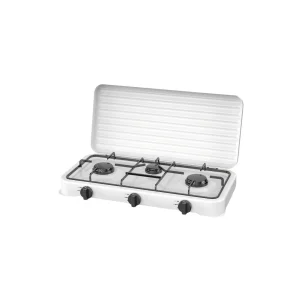
2. Finding and Verifying Reliable Manufacturers
The difference between a successful business and a legal nightmare lies in your supplier choice. You generally have three options:
- Direct Factories: Best for high-volume orders and OEM (Original Equipment Manufacturing).
- Sourcing Agents: Ideal for those who want a “boots on the ground” partner to handle audits.
- Specialized Platforms: Utilizing professional export partners like small home appliances manufacturer allows you to access pre-vetted, high-quality electronics without the risk of unverified “middlemen” on generic B2B sites.
Verification Checklist:
- Check for a valid Business License.
- Verify Export Licenses (not all factories can export directly).
- Request a Factory Audit Report (ISO 9001 compliance).
3. Navigating Compliance and Certifications
Small appliances are high-risk products due to electrical components. Importing non-compliant goods can lead to heavy fines or forced recalls.
- USA: Requires UL or ETL (safety), FCC (electromagnetic interference), and Energy Star (optional but recommended).
- Europe: Requires CE Marking, RoHS (restriction of hazardous substances), and REACH.
- UK: Requires the UKCA mark.
Always specify that the appliance technical specifications must meet your country’s voltage (e.g., 110V vs. 220V) and plug types before production begins.
4. The Production and Quality Control (QC) Process
Never pay the full balance before a third-party inspection. The standard payment term is 30% deposit and 70% after a successful Pre-Shipment Inspection (PSI).
Key QC Steps for Appliances:
- Hi-Pot Test: Ensures no electrical leakage.
- Function Test: Does the blender actually blend? Does the timer work?
- Earth Continuity Test: Checking the safety grounding.
- Internal Workmanship: Opening the unit to check wire routing and solder quality.
5. Logistics, Shipping, and Incoterms
Small appliances are often “high-volume, low-weight” (like air fryers) or “heavy and compact” (like stand mixers). Your choice of shipping will impact your landed cost.
- Sea Freight (FCL/LCL): The most cost-effective for large shipments.
- Air Freight: Only for high-value items or urgent samples.
- Incoterms: Most importers use FOB (Free On Board), where the supplier delivers to the Chinese port, and you take control from there. If you prefer a hands-off approach, look for DDP (Delivered Duty Paid) options.
6. Calculating the Landed Cost
Your profit margin is not based on the factory price; it’s based on the Landed Cost.
- Unit Price + Shipping + Customs Duties + Insurance + Local Warehousing = Total Landed Cost. Use the Harmonized System (HS) codes for appliances (typically starting with 8516) to check your country’s specific duty rates.
7. Why Partner with Megavision Electronics?
Navigating the complexities of Chinese manufacturing requires more than just a laptop and an internet connection. home appliances manufacturer acts as your strategic bridge to the Chinese electronics market. We specialize in:
- Quality Assurance: Rigorous testing protocols for every batch.
- Customization: Tailored OEM/ODM services to help your brand stand out.
- Supply Chain Transparency: Real-time updates from the factory floor to your warehouse.
Conclusion
Importing small home appliances from China is a highly lucrative venture if managed with precision. By focusing on compliance, quality control, and reliable partnership, you can build a sustainable brand in the electronics space. Ready to start your sourcing journey? Contact the experts at Megavision Electronics today for a personalized consultation on your next product line.