





 PT
PT  EN
EN  FR
FR  ES
ES  RU
RU  FA
FA Principais conclusões
Choosing the right electric blender involves more than just picking the one with the highest wattage; it is an examination of how a machine’s design serves the human capacity for nourishment and creativity. The motor’s sustained power, not just its peak wattage, determines its ability to process tough ingredients. Blade geometry is more significant than mere sharpness, as the creation of a powerful vortex is what ensures smooth textures. The material of the jar—be it glass, Tritan plastic, or stainless steel—affects not only durability but also the sensory experience of cooking. True value is found not in a multitude of presets but in precise variable speed control that grants the user autonomy. Finally, considering factors like ease of cleaning, warranty, and noise level ensures the misturador eletrónico becomes a seamless and enduring part of one’s daily life, rather than a source of frustration. Finding excellent blenders on sale is possible with strategic timing around major holidays and by looking beyond retail markdowns to manufacturer-direct offers.
Índice
- 1. Deconstructing Power: What Motor Performance Truly Means for Your Kitchen
- 2. The Geometry of the Grind: Understanding Blade Design and Material
- 3. The Vessel Matters: Choosing the Right Blender Jar Material and Capacity
- 4. The Question of Control: Speed Settings and Pre-Programmed Functions
- 5. The Aftermath: Why Ease of Cleaning and Maintenance is Paramount
- 6. A Partnership for Years: Assessing Durability, Warranty, and Brand Trust
- 7. The Sensory Impact: Navigating Noise Levels and Kitchen Footprint
- How to Find Genuinely Good Blenders on Sale
- Frequently Asked Questions About Electric Blenders
- Referências
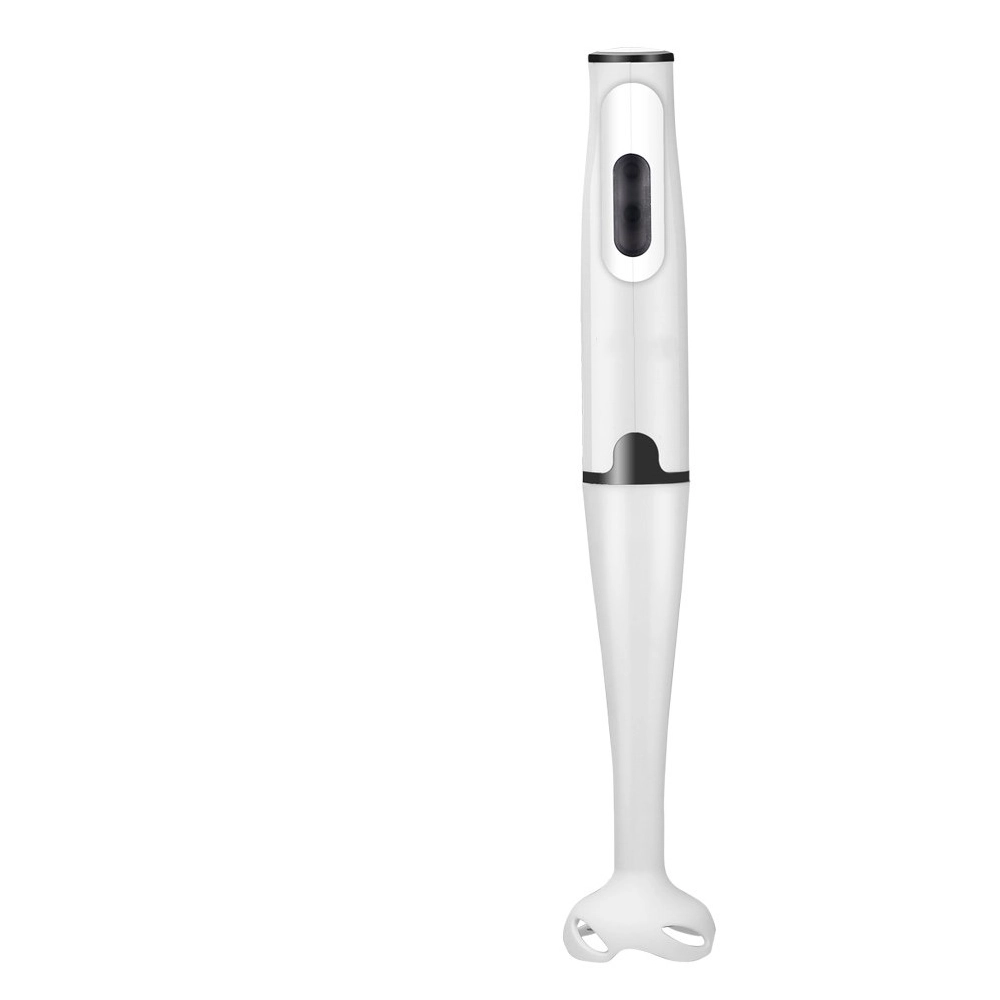
1. Deconstructing Power: What Motor Performance Truly Means for Your Kitchen
When we begin the search for a new household blender, our attention is almost immediately captured by a single, prominent number: wattage. We have been conditioned to believe that a higher number signifies a more capable, more powerful, and altogether better machine. A 1500-watt blender must surely be superior to a 1000-watt one. Yet, this line of reasoning, while seductive in its simplicity, obscures a more complex and meaningful reality about what constitutes a truly effective electronic blender. To equate wattage directly with performance is to mistake a single symptom for the overall health of the system. It is a starting point, but a deeply insufficient one for making a thoughtful choice.
Let us consider what we are truly asking of this machine. We are not just spinning a blade in a container; we are asking it to perform a type of controlled, mechanical violence. We want it to pulverize ice into snow, to shear through fibrous kale and spinach until their very cell walls rupture, to emulsify oil and vinegar into a stable vinaigrette, to transform gritty nuts into a silken butter. These are demanding physical tasks. The capability to perform them well originates not just from raw electrical draw (wattage) but from a harmonious interplay of motor torque, blade speed, and intelligent design. Torque is the rotational force, the “muscle” that prevents the blade from stopping when it encounters resistance, like a chunk of frozen banana. A motor with high torque can maintain its speed under load, which is profoundly more important than achieving a high speed when blending only water. Think of it as the difference between a sprinter who is fast on a clear track and a rugby player who can maintain their forward momentum while being tackled. For blending, we need the rugby player.
The Illusion of Peak Horsepower
Manufacturers often advertise “peak horsepower,” another impressive-sounding metric. This figure typically represents the momentary maximum output the motor can achieve upon startup, before resistance is introduced. It is a fleeting burst of power, not the sustained operational power the motor can deliver while working through a thick, frozen smoothie. A more honest and useful, though less frequently advertised, measure would be the motor’s rated running horsepower or its ability to sustain torque. A well-built 1200-watt motor from a reputable manufacturer, designed with high-quality bearings and an efficient cooling system, will consistently outperform a poorly designed 1800-watt motor that overheats and loses speed the moment it has to work hard. The latter might boast a higher number on the box, but it will fail the practical test in the kitchen.
The central task of a high-performance electric blender is to create a vortex. This is not merely a pretty whirlpool; it is a fundamental principle of fluid dynamics put to culinary service. A well-designed blender, with the right combination of jar shape, blade geometry, and sustained power, will pull the ingredients from the top of the jar down into the blades continuously. This systematic circulation ensures that every particle is repeatedly processed, resulting in a uniformly smooth texture. A weak or poorly designed blender fails to establish this vortex. Ingredients get flung to the sides of the jar, leaving a hollow spinning cavity around the blades. The user is then forced to stop the machine, take off the lid, and use a tamper or spatula to push everything back down. This is not just an inconvenience; it is a sign of a fundamental design failure. The machine is not fulfilling its primary function. When you invest in a quality electronic blender, you are investing in the engineering that guarantees the formation of a powerful, self-sustaining vortex.
Beyond Smoothies: The Demands of Different Tasks
The need for sustained power becomes even more apparent when we move beyond simple fruit smoothies. Consider the act of making nut butter. This process requires the motor to run continuously for several minutes under immense strain as it grinds the solid nuts, first into a coarse meal, and then, through friction and force, coaxes the oils out to create a smooth, creamy paste. A lesser motor would simply burn out. It lacks the thermal protection and the sheer torque to endure such a task. The smell of burning electronics is the lament of an underpowered motor pushed beyond its capacity. Similarly, creating hot soup directly in the blender jar is a feat made possible only by immense and prolonged blade speed. The friction generated by blades spinning at over 20,000 RPM for five to seven minutes is enough to heat the contents to steaming hot. This is not a feature of wattage alone, but of a motor system built for endurance.
So, when you evaluate the power of an electric blender, I encourage you to think like an engineer rather than a marketer. Ask not just “How many watts?” but “How is that power delivered?” Look for clues in the blender’s construction. Is it heavy? A substantial base often houses a larger, more robust motor. Does the manufacturer talk about torque, cooling systems, or all-metal drives? These are often indicators of a focus on genuine performance over superficial specifications. An all-metal drive coupling, where the base connects to the blade assembly, is a mark of quality. A plastic coupling is a deliberate point of failure, destined to strip and break under the very torque a good motor produces. Choosing an electric blender is an exercise in appreciating the intricate dance between electrical energy and mechanical force. The number on the box is but the opening line of a much richer story.
2. The Geometry of the Grind: Understanding Blade Design and Material
Having established that the motor provides the raw force, we must now turn our attention to where that force is applied: the blade assembly. It is here, at the epicenter of the vortex, that the mechanical transformation of our food occurs. A common misconception is that blender blades must be razor-sharp to be effective. We imagine them acting like tiny knives, slicing and dicing their way through ingredients. While this holds some truth for certain applications, for the most common and demanding blender tasks, the principle at work is not slicing but pulverization. The goal is not to cut, but to smash, shatter, and obliterate.
High-performance blenders, paradoxically, often feature blades that are not particularly sharp to the touch. Their effectiveness comes from their shape, thickness, and the sheer velocity at which they travel. Think of the blade assembly as a multi-pronged hammer spinning at hundreds of miles per hour. When a piece of frozen strawberry or a hard almond encounters this spinning assembly, it does not get neatly sliced; it gets shattered by blunt force trauma. This is why a quality blender can turn ice into snow rather than just creating chunky, wet slush. The edges of the blades might be angled to aid in pulling ingredients down and initiating the blend, but the primary work is done by impact, not by sharpness. This has a practical benefit as well: blades that rely on pulverization do not dull over time. Their effectiveness remains constant throughout the life of the machine.
The Symphony of Prongs and Angles
The design of the blade assembly is a complex exercise in fluid dynamics and engineering. It is not a random assortment of metal prongs. A typical high-performance blade system might feature four or six prongs, each with a specific purpose. Some prongs will be angled upwards to lift the ingredients off the floor of the jar and prevent them from packing down. Others will be angled downwards to push ingredients into the path of the main pulverizing blades. Two of the main prongs are often longer and flatter, acting as the primary hammers, providing the brute force for crushing and milling. The interplay of these differently angled prongs is what helps create and sustain the all-important vortex, ensuring a continuous flow of ingredients into the processing zone.
The material from which these blades are crafted is also of paramount importance. The standard for any decent electric blender is hardened stainless steel. This material offers a trio of benefits: it is exceptionally strong and resistant to breaking or bending under high torque; it is resistant to corrosion and rust from the acidic and wet environments it constantly inhabers; and it is food-safe, meaning it will not impart any metallic taste or harmful substances into your food. Cheaper blenders might use lower-grade metal alloys that can dull, pit, or even rust over time, compromising both performance and food safety. When examining a blade assembly, look for a thick, robust construction. The blades should feel solid and unyielding, a testament to the forces they are designed to withstand. Some premium models even feature aircraft-grade stainless steel, highlighting the extreme engineering involved in these components.
Table 1: Blade Design Philosophy and Intended Use
The design philosophy behind a blender’s blades can reveal its intended strengths and weaknesses. Not all blade assemblies are created equal, and understanding their geometry can guide you to the perfect machine for your personal culinary needs.
| Blade Design Type | Primary Mechanism | Melhor para | Less Ideal For |
|---|---|---|---|
| Pulverizing/Blunt Blades (e.g., Vitamix, Blendtec) | High-speed impact and pulverization. Relies on motor power and blade velocity. | Smoothies (especially with fibrous greens), hot soups (friction heating), grinding grains, making nut butters. | Delicate chopping or creating chunky textures like salsa, as it tends to obliterate ingredients. |
| Sharp Multi-Pronged Blades (e.g., Ninja, Nutribullet) | Slicing and dicing action, combined with some pulverization. Relies on sharpness. | Crushing ice for drinks, creating even-textured smoothies from softer ingredients. | Long-term durability, as blades can dull. May struggle with very tough, fibrous ingredients without sufficient power. |
| Emulsifying/Asymmetric Blades | Creating a powerful vortex with uneven forces to combine liquids that normally separate. | Mayonnaise, vinaigrettes, sauces, and other emulsifications. | Heavy-duty tasks like grinding grain or making large batches of frozen desserts. |
| Removable Blade Assemblies | Slicing action, often with a focus on easy cleaning. Common in budget models. | Basic smoothies with soft fruits and liquids, simple protein shakes. | Durability and leak prevention. The gasket is a common point of failure and can harbor bacteria. |
The relationship between the blade and the motor is symbiotic. A powerful motor is useless if the blades are poorly designed and cannot effectively channel that power. Conversely, a brilliantly engineered blade assembly will underperform if it is attached to a motor that lacks the torque to keep it spinning under load. This is why it is so important to consider the electric blender as a complete system. When you look at our selection of electric blenders, you are seeing a curated collection of machines where this synergy between motor and blade has been carefully considered. The goal is to provide a tool that feels balanced and capable, one where the power generated by the motor is translated, without waste or hesitation, into the perfectly smooth puree we desire.
3. The Vessel Matters: Choosing the Right Blender Jar Material and Capacity
The blender jar, or pitcher, is more than a mere container. It is the arena where the culinary battle takes place. Its shape helps to direct the vortex, its material dictates its durability and safety, and its size determines the scope of your creations. The choice of jar material is a significant one, with each option—glass, plastic, and stainless steel—presenting a distinct set of virtues and vices. This decision will profoundly shape your daily experience with your electronic blender.
For many years, glass was the material of choice. It carries an aura of purity and quality. Glass is non-porous, which means it will not absorb odors or stains from the foods you blend. Your turmeric and ginger smoothie will not leave a permanent yellow tinge or a lingering scent that haunts your next batch of strawberry daiquiris. Glass is also widely perceived as a safer material, as there are no concerns about chemicals like BPA or other plasticizers leaching into your food, a concern that has gained considerable traction in public consciousness (Rudel et al., 2011). However, glass is not without its significant drawbacks. The most obvious is its fragility. A moment of carelessness, a slip from a wet hand, can result in a shattered pitcher and a dangerous cleanup. Glass is also heavy. A large, 64-ounce glass pitcher, when full, can be quite cumbersome to lift and pour from, especially for individuals with limited strength or dexterity. Furthermore, while glass handles cold well, it is susceptible to thermal shock. Pouring hot liquids into a cold glass jar, or vice-versa, can cause it to crack or even shatter. For this reason, most manufacturers of glass-jar blenders advise against blending hot soups.
The Rise of Tritan Plastic
In response to the limitations of glass, the modern high-performance blender has largely embraced a new generation of high-tech plastics, most notably Tritan copolyester. Tritan has become the gold standard for a reason. It is designed to offer the best of both worlds: it has the clarity and stain-resistance that approaches glass, while possessing a durability that far surpasses it. Tritan is shatterproof; you can drop a Tritan jar on a tile floor, and it is more likely to bounce than to break. It is also lightweight, making even large-capacity jars easy to handle. Crucially, Tritan is BPA-free, BPS-free, and free from all other bisphenols, addressing the primary health concern associated with plastics. It is a material engineered specifically for the demanding environment of a high-performance blender. It can withstand the extreme forces and the high temperatures generated by friction blending, making it safe for creating hot soups directly in the jar. While some may harbor a philosophical preference for glass, the practical, day-to-day advantages of a quality Tritan jar are undeniable for most users. It provides a level of safety, convenience, and versatility that is difficult to match.
The Professional’s Choice: Stainless Steel
A third, less common option for blender jars is stainless steel. This is often the choice in professional kitchens. Stainless steel is virtually indestructible. It is also completely opaque, which can be an advantage for protecting light-sensitive nutrients in greens or herbs during a blend. However, this opacity is also its main disadvantage for home use. You cannot see what is happening inside. You cannot visually judge the texture of your blend or see if a stubborn chunk of fruit is stuck on the side. For the home cook who relies on visual cues, this can be frustrating. Stainless steel jars are typically reserved for specialized applications or for users who prioritize ultimate durability above all else.
Finding the Right Size and Shape
Beyond material, the capacity and shape of the jar are key considerations. Blender jars typically range from small, single-serving cups (around 16-24 ounces) to large, family-sized pitchers (64 ounces or more). The right choice depends entirely on your lifestyle. Are you primarily making a smoothie for one on your way out the door? A personal blender with a compact cup might be sufficient. Are you preparing meals for a family or blending large batches of soup? A full-sized pitcher is a necessity. Some blender systems offer the best of both worlds, with an interchangeable base that can accommodate both a large pitcher and smaller personal cups. This versatility can be a compelling feature.
The shape of the jar is not an aesthetic choice; it is a functional one. Most high-performance jars are square or have five sides rather than being perfectly round. This is intentional. The flat sides and corners act as interrupters to the flow of ingredients, preventing the “lazy Susan” effect where everything spins around in a circle without actually being blended. These flat surfaces disrupt the circular motion and redirect the food back down into the blades, creating a more efficient and effective vortex. A tall, narrow jar will often blend smaller quantities more effectively than a wide-bottomed jar, as it keeps the ingredients in closer contact with the blades. Conversely, a wide-bottomed jar can be easier to scrape out and clean. Considering how you will use your electric blender most often will help you decide which vessel is the right partner for your culinary ambitions.
4. The Question of Control: Speed Settings and Pre-Programmed Functions
Once you have a powerful motor, an efficient blade, and a well-designed jar, the question becomes: how do you control it? The interface of an electric blender, the collection of its buttons, dials, and switches, is the bridge between your intention and the machine’s action. This is where you, the user, get to conduct the orchestra of pulverization. The options generally fall into two camps: manual, variable speed control, and a selection of pre-programmed functions.
Let us first consider the elegance of variable speed control. This is typically offered as a responsive dial that allows you to ramp the speed up or down smoothly across a wide spectrum. This feature, more than any other, puts you in complete command of the blending process. It grants you the autonomy to adapt to the specific needs of your recipe in real-time. Imagine you are making a chunky salsa. You do not want a uniform puree; you want distinct pieces of tomato, onion, and cilantro. With variable speed control, you can start on the lowest setting or use a “pulse” function for a few short bursts, gently chopping the ingredients without liquefying them. Now, imagine you are making that same salsa, but you decide you want to emulsify some olive oil into it to create a richer, more cohesive sauce. You can slowly increase the speed, and once the vortex is established, you can drizzle the oil in through the top, allowing the increasing blade speed to shear the oil into microscopic droplets and create a stable emulsion. This level of nuanced control is simply not possible with a blender that only offers “low” and “high” settings.
The Allure and Limitation of Presets
Many modern blenders, in an effort to appeal to our desire for convenience, come loaded with pre-programmed cycles. These are buttons labeled with words like “Smoothie,” “Ice Crush,” “Soup,” or “Dip.” When you press one, the blender runs through a predetermined sequence of varying speeds and pauses, designed to achieve the optimal result for that specific task. For a smoothie, it might start slow to break up large pieces, then ramp up to high speed to liquefy, then perhaps pulse a few times at the end to ensure everything is incorporated. There is an undeniable appeal to this. It feels like the blender “knows” what it is doing, removing the guesswork from the process. For a busy person who makes the same green smoothie every single morning, the “Smoothie” button can be a wonderful, time-saving convenience.
However, this convenience can come at the cost of versatility and genuine control. The “Smoothie” preset is calibrated for an average smoothie. But what is an average smoothie? Is your smoothie made with soft bananas and spinach, or is it packed with frozen pineapple, hard chia seeds, and fibrous kale? The preset cannot know. It will run the same program regardless, which may be too much power for the former and not enough for the latter. You relinquish your own judgment to the machine’s programming. The “Soup” function is another example. It is designed to run at high speed for a specific duration (e.g., six minutes) to heat the contents through friction. But what if your soup contains delicate ingredients that you do not want to cook for that long? Or what if you are making a larger batch that requires more time to heat through? With a preset, you are stuck. With manual variable speed control, you are the master of the process. You can run the blender on high for exactly as long as you need, stopping to check the temperature and texture along the way.
Ultimately, the ideal electric blender offers both. It provides the fine-tuned, responsive control of a variable speed dial for when you want to be a hands-on chef, while also offering a few well-designed, genuinely useful presets for those moments when you just want to press a button and walk away. A “Pulse” feature is non-negotiable; it is essential for coarse chopping and for getting a blend started with very thick ingredients. A “Self-Clean” program can also be a significant quality-of-life improvement. When evaluating the controls of a potential household blender, consider your own personality and cooking style. Do you value precision and the ability to improvise? Prioritize a wide range of variable speeds. Do you value speed and consistency for a few key tasks? Ensure the presets are well-regarded and suit your routine. The best machine empowers you; it does not limit you.
5. The Aftermath: Why Ease of Cleaning and Maintenance is Paramount
We can become so enthralled by the power, performance, and features of a new electronic blender that we neglect to consider a far more mundane, yet profoundly important, aspect of its existence: the cleanup. A blender that produces a perfectly smooth green smoothie but requires twenty minutes of frustrating, knuckle-scraping effort to clean will, over time, become a source of dread. It will be relegated to the back of the cupboard, its impressive motor and blades gathering dust, a monument to a poor purchasing decision. The best blender is the one you will actually use, and a significant factor in its use is how easily it can be cleaned.
The most celebrated cleaning feature on many modern, high-performance blenders is the “self-cleaning” cycle. This is not a gimmick; it is a genuinely transformative feature. The process is remarkably simple: after pouring out your smoothie or soup, you simply add a few drops of dish soap and a cup or two of warm water to the jar, place it back on the base, and run it on high speed (or a dedicated cleaning cycle) for 30 to 60 seconds. The power of the motor and the motion of the blades create a vortex of soapy water that scours the entire interior of the jar, including the complex underside of the blades and the lid. In most cases, all that is left to do is a quick rinse under the tap. This single feature can be the difference between using your blender daily and seeing it as a special-occasion chore.
Design Flaws that Create Cleaning Nightmares
When a self-cleaning cycle is not available or not entirely effective (for instance, with very sticky substances like nut butter), the physical design of the blender becomes the determining factor. Blenders with a fixed, non-removable blade assembly, like those from Vitamix or Blendtec, are designed with this in mind. The seal at the base of the jar is permanent and watertight, leaving no crevices for food particles and bacteria to hide. The simplicity of a single, integrated unit (jar and blades) makes manual cleaning, when necessary, relatively straightforward with a long-handled brush.
Conversely, many mid-range and budget blenders feature a removable blade assembly. On the surface, this seems like a good idea—you can take it all apart for a thorough cleaning. In practice, it often creates more problems than it solves. This design introduces multiple points of potential failure and contamination. There is a threaded base that screws onto the jar, a rubber or silicone gasket that creates the seal, and the blade unit itself. Food particles can get trapped in the threads of the base. The gasket is a notorious weak point; it can stretch, crack, or become lost, leading to catastrophic leaks. Worse yet, it is a perfect hiding place for moisture and bacteria, leading to unpleasant odors and potential health concerns. A study in the Journal of Food Protection found that these gaskets can be significant sources of microbial contamination if not meticulously cleaned and dried after every single use (Montville et al., 2001). The supposed convenience of a removable blade assembly often turns into the tedious chore of disassembling, washing, and drying four separate parts: the jar, the blade, the gasket, and the base. The risk of misplacing the gasket or reassembling it incorrectly adds another layer of potential frustration.
Dishwasher Safe: A Qualified Convenience
Many manufacturers will advertise their components as “dishwasher safe.” This can be a helpful feature, but it requires some critical examination. Usually, it is the jar, lid, and tamper that are safe for the top rack of the dishwasher. The intense heat of the drying cycle can, over time, cause plastic components to become cloudy or brittle. The blade assembly, even if advertised as dishwasher safe, may suffer. The harsh detergents can degrade the bearings and seals over time, shortening the lifespan of this component. For longevity, even with dishwasher-safe parts, a quick self-clean cycle or a simple hand wash is often the better long-term strategy for maintaining your investment. When you are looking to find great blenders on sale, do not let an attractive price distract you from investigating the daily reality of its upkeep. A simple, elegant design is often a sign of a machine that is not only built to perform but also built to be lived with, day after day.
6. A Partnership for Years: Assessing Durability, Warranty, and Brand Trust
An electric blender, especially a high-performance model, is not a disposable gadget. It is a significant investment in your kitchen and your health. As such, you should expect it to be a durable and reliable partner for many years to come. The assessment of a blender’s potential longevity requires us to look beyond the immediate features and examine its physical construction, the manufacturer’s confidence in their own product (as expressed through the warranty), and the brand’s overall reputation for quality and customer support.
The physical feel of a blender can tell you a great deal. A heavy, stable base is a good sign. It suggests a large, powerful motor and indicates that the manufacturer has not cut corners by using flimsy, lightweight plastic. It also provides a stable platform that will not “walk” across the counter when blending at high speeds. Examine the switches and dials. Do they feel solid and responsive, or do they feel loose and cheap? The quality of these user interface components is often a reliable proxy for the quality of the internal components you cannot see. One of the most telling indicators of build quality is the drive coupling, the point where the motor in the base connects with the blades in the jar. In high-quality blenders, this will be an all-metal system. A metal drive socket on the base meshes with a metal counterpart on the jar. This creates a robust, durable connection that can handle the immense torque of the motor without stripping or breaking. Many less expensive blenders use a plastic or nylon coupling. This is often a planned point of failure, designed to break under stress to protect the motor. While this may sound reasonable, it means you will inevitably be faced with a broken blender and the need to source a replacement part. An all-metal drive is a statement of confidence from the manufacturer that their motor and blades are built to work together harmoniously under extreme loads.
Decoding the Warranty
The warranty is perhaps the most explicit statement a company makes about the durability of its product. A long, comprehensive warranty is not just a promise of repair; it is a signal of quality engineering. If a company is willing to guarantee their machine for seven or even ten years, it is because their internal testing and historical data show that the vast majority of their blenders will last at least that long without failing. When evaluating a warranty, the length is the first thing to look for. A one-year warranty on a machine designed for heavy daily use should be a major red flag. Look for warranties in the range of five to ten years for a high-performance model.
However, you must also look beyond the number of years and consider what is actually covered. Does the warranty cover the entire machine, including the motor, jar, and blade assembly? Or are there exclusions? Some warranties might cover the motor for seven years but the pitcher for only one. Does the warranty cover shipping costs both ways if a repair is needed? Paying to ship a heavy blender base for service can be a significant hidden cost. Reading the fine print of the warranty document, often available on the manufacturer’s website, is a worthwhile and illuminating exercise. It reveals the true extent of the company’s commitment to its customers. Reputable sources like Consumer Reports often provide detailed reliability data based on extensive user surveys, which can offer an objective look at how different brands hold up over time (Consumer Reports, 2024).
The Intangible Value of Brand Reputation
Finally, there is the less tangible, but equally important, factor of brand reputation and customer support. A company with a long-standing history of producing high-quality appliances and standing behind them with excellent service provides a level of peace of mind that a newcomer or a budget brand cannot. If something does go wrong, how easy is it to reach a knowledgeable human being who can help you? Do they offer troubleshooting support, or is their only solution to send the entire unit back? A quick search for user reviews and forum discussions about a brand’s customer service experience can be incredibly revealing. Choosing a blender from a trusted company like Eletrónica MegaVision means you are not just buying a machine; you are entering into a long-term relationship with a brand that has a vested interest in your satisfaction. This commitment to quality and support is an integral part of the value proposition when you purchase a durable good meant to last for a decade or more.
7. The Sensory Impact: Navigating Noise Levels and Kitchen Footprint
After we have thoroughly examined the mechanical and functional aspects of an electric blender, we must turn to a more human-centered consideration: how the machine will integrate into the sensory environment of our home. A blender does not exist in a vacuum. It occupies physical space on our countertops and fills our homes with sound. These two factors, its physical footprint and its noise level, can have a surprisingly large impact on our overall satisfaction and our willingness to use the appliance regularly.
Let’s first address the issue of noise. High-performance blenders are, by their very nature, loud. A motor spinning a set of blades at over 20,000 RPM to pulverize frozen fruit is going to generate a significant amount of sound. The noise levels of popular models can range from around 85 to over 100 decibels at their highest speed. To put that in perspective, 85 decibels is comparable to a loud vacuum cleaner, while 100 decibels is approaching the level of a rock concert or a jackhammer. Prolonged exposure to such noise levels can be unpleasant and, in some cases, even harmful to hearing. The practical implications are significant. Will running the blender in the morning wake up other members of the household? Will it be so loud that it makes conversation in the kitchen impossible? For individuals with sensitivity to loud noises, or for those living in apartments with thin walls, the noise level can be a deal-breaking issue.
Manufacturers are aware of this, and some have begun to engineer solutions. This can include sound-dampening materials within the motor base or even full sound enclosures—clear plastic shields that fit over the entire blender jar to muffle the noise. These features can reduce the perceived noise level substantially, but they often come at a premium price and add to the blender’s overall size. When evaluating a blender, it is wise to search for independent reviews that include objective decibel measurements, as manufacturer claims can sometimes be optimistic.
Table 2: Blender Type, Footprint, and Sensory Profile
The type of electric blender you choose has a direct correlation with its size and the noise it will introduce to your home. Understanding this relationship can help you find a machine that fits both your counter and your lifestyle.
| Blender Type | Typical Footprint (Size) | Typical Noise Level (Decibels) | Best Suited For |
|---|---|---|---|
| High-Performance Blender (e.g., Vitamix, Blendtec) | Large and heavy. Often tall, may not fit under standard kitchen cabinets with the jar on. | Very Loud (90-105 dB). The sound of extreme power. | Users who prioritize power and versatility above all else and have dedicated counter space. |
| Personal Blender (e.g., Nutribullet, Magic Bullet) | Small and compact. Easily stored in a cupboard or left on the counter. | Loud for its size (85-95 dB), but for shorter durations. | Single-serving smoothies, small apartments, users with limited space. |
| Conventional/Kitchen Blender (Mid-Range) | Médio. Geralmente concebido para caber debaixo dos armários. Mais leves do que os modelos de alto desempenho. | Moderadamente alto (88-98 dB). | Mistura de uso geral para famílias que necessitam de capacidade mas não de um desempenho extremo. |
| Varinha mágica de imersão (manual) | Mínimo. Guarda-se facilmente numa gaveta. | Relativamente silencioso (75-85 dB). | Misturar sopas diretamente na panela, fazer maionese, pequenas tarefas em que a limpeza é uma prioridade. |
Reivindicar o seu espaço no balcão
A pegada física do misturador é a segunda metade desta equação. O espaço no balcão da cozinha é um recurso finito e precioso. Um liquidificador eletrónico grande e potente pode ocupar uma parte significativa desse espaço. Antes de se apaixonar por um determinado modelo, é um passo crucial, ainda que simples, medir o espaço onde o pretende guardar. Preste especial atenção à altura vertical. Muitas batedeiras de alto desempenho, com os seus jarros altos colocados em cima da base, são demasiado altas para caberem nos armários superiores normais da cozinha. Isto significa que terá de guardar o jarro e a base separadamente, acrescentando um pequeno mas persistente inconveniente à sua utilização diária. Deve considerar se pretende que o liquidificador fique permanentemente no seu balcão, sempre pronto a funcionar, ou se planeia guardá-lo num armário ou despensa entre utilizações. Se o plano for o armazenamento, o peso da máquina torna-se um fator mais importante. Carregar uma base de liquidificadora pesada de 15 libras de um armário baixo pode ser um impedimento à sua utilização espontânea.
A decisão sobre o ruído e a área de cobertura é, em última análise, uma decisão pessoal, uma negociação entre o desejo de desempenho e as realidades do seu espaço habitacional. Não existe uma única resposta correta. O objetivo é fazer uma escolha consciente, para compreender os compromissos que está a fazer. Ao considerar o impacto sensorial da máquina, está a garantir que o seu novo liquidificador elétrico se torna uma adição bem-vinda e harmoniosa à sua casa, em vez de um intruso barulhento e volumoso.
Como encontrar o que é genuinamente bom Liquidificadores à venda
Depois de uma análise exaustiva do que faz um liquidificador eletrónico de qualidade, a questão prática da acessibilidade dos preços vem ao de cima. As liquidificadoras de alto desempenho representam um compromisso financeiro considerável, mas com uma abordagem estratégica, é possível adquirir uma excelente máquina sem pagar o preço total de retalho. A chave é compreender o ciclo de venda a retalho e saber onde procurar descontos autênticos. Encontrar liquidificadores em saldos é menos uma questão de sorte e mais uma questão de paciência e de compras informadas.
O timing é tudo: o calendário do retalho
Os descontos mais significativos em electrodomésticos, incluindo os liquidificadores, são muitas vezes agrupados em torno dos principais feriados de vendas. A Black Friday e a Cyber Monday, o fim de semana que se segue ao Dia de Ação de Graças americano, são lendárias por uma razão. Tanto os retalhistas como os fabricantes oferecem alguns dos seus cortes de preços mais profundos durante este período. Esta é uma excelente altura para comprar um modelo emblemático que, de outra forma, poderia estar fora de alcance. Outro período importante é a época pós-férias, em janeiro. Os retalhistas procuram eliminar o excesso de inventário e os consumidores, munidos de cartões de oferta, ainda estão com vontade de fazer compras. Os principais feriados de três dias nos Estados Unidos, como o Dia do Presidente, o Memorial Day e o Dia do Trabalhador, são também ocasiões comuns para as vendas de artigos para o lar.
Para além destas datas previsíveis, também é aconselhável prestar atenção ao ciclo de lançamento de produtos do próprio fabricante. Quando uma marca está prestes a lançar um modelo novo e atualizado, o fabricante e os seus parceiros retalhistas oferecem muitas vezes descontos significativos no modelo anterior para escoar o stock. Este modelo "mais antigo" é muitas vezes funcionalmente idêntico ou apenas ligeiramente diferente do novo, o que o torna um valor excecional. Seguir algumas marcas favoritas nas redes sociais ou inscrever-se nas suas newsletters por correio eletrónico pode alertá-lo para estas oportunidades de liquidação.
Procurar nos sítios certos
Embora os grandes retalhistas sejam um local óbvio para procurar saldos, por vezes as melhores ofertas encontram-se noutro local. Visitar o sítio Web do próprio fabricante é um passo crucial. Muitas vezes, estes têm uma secção de "saldos" ou "outlet" onde vendem modelos recondicionados certificados. Normalmente, trata-se de máquinas que foram devolvidas por um cliente, por vezes sem nunca terem sido utilizadas, que foram rigorosamente inspeccionadas, reparadas, se necessário, e certificadas como estando em perfeitas condições de funcionamento. Normalmente, vêm com uma garantia total ou ligeiramente reduzida e podem ser adquiridos por uma fração do preço de uma unidade nova. Esta é, sem dúvida, uma das formas mais inteligentes de comprar um liquidificador elétrico topo de gama.
Os sítios Web de comparação de preços e as extensões do navegador, como o CamelCamelCamel para a Amazon, também podem ser ferramentas poderosas. Permitem-lhe acompanhar o historial de preços de um modelo específico ao longo do tempo. Estes dados podem revelar se um preço de "venda" atual é um desconto genuíno ou simplesmente um regresso a um ponto de preço anterior e normal após um aumento temporário. Isto permite-lhe reconhecer um negócio verdadeiramente bom quando ele aparece. Não se esqueça de verificar também os preços nas lojas especializadas em artigos de cozinha, uma vez que podem ter ciclos de vendas diferentes ou pacotes exclusivos que incluem acessórios valiosos.
Encontrar grandes liquidificadores à venda requer um pouco de paciência. Se fez a sua pesquisa e identificou o modelo que melhor se adequa às suas necessidades com base nos critérios que discutimos - potência, lâminas, jarro, controlos e durabilidade - então vale a pena esperar que apareça o preço certo. Uma compra apressada de um liquidificador medíocre numa "venda" por impulso é uma falsa economia. Um investimento ponderado numa máquina de alta qualidade, adquirida com um desconto significativo, irá recompensá-lo com um desempenho superior e anos de serviço fiável, provando ser a escolha mais valiosa a longo prazo.
Perguntas frequentes sobre Liquidificador elétricos
1. Qual é a verdadeira diferença entre um liquidificador de alto desempenho (como o Vitamix/Blendtec) e um liquidificador de cozinha mais barato (como um Oster/Hamilton Beach)?
A diferença é fundamental e sente-se em quase todos os aspectos que discutimos. Resume-se a um sistema completo concebido para potência, durabilidade e versatilidade, em comparação com uma máquina concebida para tarefas ocasionais e ligeiras. Uma misturadora eletrónica de alto desempenho tem um motor mais potente e com maior binário, o que lhe permite misturar ingredientes duros, fibrosos e congelados sem parar ou sobreaquecer. As suas lâminas são normalmente feitas de aço inoxidável endurecido e concebidas para pulverizar e não apenas para misturar. O jarro é normalmente fabricado em plástico Tritan inquebrável, capaz de suportar o calor da fricção das sopas. A garantia é significativamente mais longa, frequentemente 7-10 anos em comparação com 1-3 anos. Esta qualidade abrangente significa que uma liquidificadora de alto desempenho pode fazer batidos verdes suaves e sedosos, triturar grãos em farinha, criar manteigas de frutos secos cremosas e fazer sopa quente a partir de vegetais crus - tarefas que uma liquidificadora mais barata simplesmente não consegue realizar ou seria destruída ao tentar. Está a pagar por uma vasta gama de capacidades e pela garantia de durabilidade a longo prazo.
2. Posso colocar líquidos quentes no meu liquidificador?
Isto depende inteiramente do material do jarro do liquidificador e das instruções do fabricante. Se tiver um liquidificador com um jarro de plástico Tritan de alta qualidade e sem BPA, a resposta é geralmente sim. Estes recipientes foram concebidos para serem resistentes ao calor e podem suportar líquidos quentes e até o calor gerado pela fricção de um ciclo de "sopa". No entanto, se o seu liquidificador tiver um jarro de vidro, deve ser extremamente cauteloso. Verter líquido quente num jarro de vidro à temperatura ambiente pode causar um choque térmico, levando o vidro a rachar ou partir-se violentamente. Este é um risco de segurança significativo. Consulte sempre o manual do utilizador. Se ele desaconselhar líquidos quentes, acredite nele. No caso de liquidificadores que não estejam preparados para líquidos quentes, é melhor deixar as sopas e outros produtos quentes arrefecerem até à temperatura ambiente antes de os misturar.
3. De quantos watts preciso realmente para o meu liquidificador elétrico?
Embora a potência seja a especificação mais comercializada, não é a mais importante. Como explorámos, a potência sustentada e o binário são mais significativos do que a potência de pico. Dito isto, a potência pode servir como um guia aproximado. Para tarefas básicas, como fazer batidos de proteínas ou misturar frutos macios, uma varinha na gama dos 300-600 watts pode ser suficiente. Para uma liquidificadora doméstica mais versátil, capaz de triturar gelo e fazer um batido verde ocasional, procure algo na gama dos 1000-1200 watts. Para uma verdadeira mistura de alto desempenho - capaz de lidar com tudo o que lhe for pedido, desde fruta congelada e verduras fibrosas a frutos secos e cereais - vai querer uma máquina com 1200 watts ou mais, associada a uma excelente qualidade de construção, um motor robusto e um design eficaz das lâminas. Não escolha apenas com base na potência, mas utilize-a como um ponto de dados na sua avaliação geral da qualidade do liquidificador como um sistema completo.
4. Valem a pena todas as definições e funções extra pré-programadas?
O valor das definições pré-programadas é altamente subjetivo e depende do seu fluxo de trabalho pessoal. Para alguém que pretende um resultado consistente com o mínimo de esforço numa tarefa diária, um botão "Smoothie" pode ser uma comodidade fantástica. Carrega-se nele e vai-se embora. No entanto, para um utilizador que gosta de criatividade e controlo culinários, estas predefinições podem parecer limitadoras. Um seletor de velocidade variável oferece uma flexibilidade infinitamente maior. Permite-lhe picar grosseiramente, misturar suavemente, emulsionar ou liquefazer completamente os ingredientes com precisão. As "funções" mais essenciais em qualquer liquidificador são um controlo de velocidade variável e um botão de pulsação. Muitas outras predefinições podem ser reproduzidas manualmente com um pouco de prática. Antes de pagar um preço elevado por um liquidificador com uma dúzia de predefinições, pergunte-se honestamente se as vai utilizar. Muitas vezes, a simplicidade elegante de um único botão que lhe dá controlo total é mais valiosa do que uma interface desordenada de botões de finalidade única.
5. O meu liquidificador começou a cheirar mal, mesmo depois de limpo. O que é que posso fazer?
Um odor persistente é um problema comum, especialmente nos misturadores com conjuntos de lâminas amovíveis. O cheiro é geralmente causado por pequenas partículas de alimentos e bactérias presas na junta ou nas roscas da base. O primeiro passo é uma limpeza profunda. Se tiver um conjunto amovível, desmonte-o completamente e esfregue o jarro, as lâminas, a junta e a base com água quente e sabão e uma escova. Para odores persistentes, um tratamento desodorizante natural é eficaz. Encha o jarro até meio com uma solução 50/50 de vinagre branco e água e, em seguida, misture em potência alta durante um minuto. Deixe a solução repousar no frasco durante várias horas ou durante a noite antes de enxaguar bem. Outro método é utilizar bicarbonato de sódio: encha o frasco com água morna, adicione algumas colheres de sopa de bicarbonato de sódio, misture e deixe repousar. Para evitar que os odores regressem, lave sempre o recipiente do liquidificador imediatamente após a utilização e certifique-se de que todas as peças, especialmente a junta, estão completamente secas antes de o voltar a montar e guardar.
Referências
- Consumer Reports. (2024). Classificações do liquidificador. Obtido de https://www.consumerreports.org/products/blenders-28574/ratings/
- Eastman Chemical Company. (n.d.). A segurança do Tritan. Obtido de https://www.eastman.com/tritan-safe/pages/overview.aspx
- McGee, H. (2004). Sobre comida e culinária: A ciência e a sabedoria da cozinha. Scribner.
- Montville, R., Chen, Y., & Schaffner, D. W. (2001). Risk assessment of hand washing efficacy using literature and experimental data. Jornal de Proteção Alimentar, 64(10), 1393-1401. (Nota: Embora este artigo específico seja sobre a lavagem das mãos, os princípios do risco microbiano no equipamento de preparação de alimentos, como as juntas, são discutidos no domínio da segurança alimentar que representa. Uma fonte mais direta poderá ser mais difícil de encontrar publicamente, mas esta revista representa o tipo de investigação realizada). Uma melhor ligação pode ser uma ligação geral de segurança alimentar. Vamos utilizar uma mais acessível.
- U.S. Food & Drug Administration. (2022). Segurança alimentar para as futuras mamãs: depois do nascimento do bebé. Obtido de https://www.fda.gov/food/people-risk-foodborne-illness/food-safety-moms-be-once-baby-arrives (Esta secção aborda a higiene geral da cozinha, relevante para a limpeza do liquidificador).
- Rudel, R. A., Gray, J. M., Engel, C. L., Rawsthorne, T. W., Dodson, R. E., Ackerman, J. M., Rizzo, J., Nudelman, J. L., & Brody, J. G. (2011). Embalagem de alimentos e exposição ao bisfenol A e bis (2-etihexil) ftalato: resultados de uma intervenção dietética. Perspectivas de Saúde Ambiental, 119(7), 914-920. https://www.ncbi.nlm.nih.gov/pmc/articles/PMC3223004/
- Serious Eats. (n.d.). The Best Blenders. Obtido de https://www.seriouseats.com/best-blenders-5218809
- Vollmer, G., Zierau, O., & Diel, P. (2017). Endocrine disruptors in the food chain. In Derailed Endocrine Signaling (pp. 1-28). De Gruyter. https://www.degruyter.com/document/doi/10.1515/9783110482260-001/html
</ul_class=”reference-list”>