





 RU
RU  EN
EN  FR
FR  ES
ES  PT
PT  FA
FA 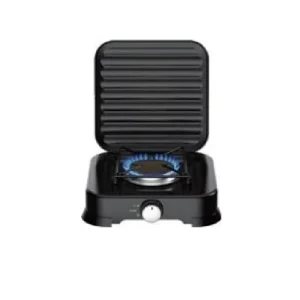
Аннотация
Single burner stoves, valued for their portability and convenience, present a spectrum of safety considerations that users must carefully manage. An examination of these devices reveals that risks are not uniform but vary significantly based on fuel type—liquefied petroleum gas (LPG), electricity, or induction—and operational context, such as indoor versus outdoor use. The primary hazards identified are carbon monoxide (CO) poisoning from incomplete combustion in fuel-burning models, fire from flare-ups or proximity to flammable materials, and burns from contact with hot surfaces. Safe operation is contingent upon a user’s understanding of the specific appliance, adherence to ventilation requirements, maintenance of a stable and clear cooking area, and regular inspection of fuel lines and electrical components. This analysis demonstrates that while the potential for harm exists, it can be substantially mitigated through educated use and consistent adherence to established safety protocols, making the single burner stove a reasonably safe tool when operated with diligence and respect for its inherent properties.
Основные выводы
- Always ensure ample ventilation, especially when using fuel-burning stoves indoors, to prevent carbon monoxide buildup.
- Maintain a clear, stable surface for your stove, keeping flammable items at least three feet away.
- Regularly inspect fuel canisters, hoses, and electrical cords for any signs of damage or wear.
- Understanding how safe is a single burner stove begins with reading and following the manufacturer’s instructions.
- Never leave a lit or operating stove unattended, even for a moment.
- Have a fire extinguisher or other extinguishing agent readily accessible when cooking.
- Choose the appropriate stove type—gas, electric, or induction—based on your specific environment and needs.
Оглавление
- Understanding the Core Question: How Safe Is a Single Burner Stove?
- Check 1: Evaluate Your Stove Type and Its Unique Risks
- Check 2: Master the Principle of Ventilation
- Check 3: Create a Fortress of Stability and Clearance
- Check 4: Conduct Diligent Fuel and Power Source Inspections
- Check 5: Perfect Your Ignition and Operational Technique
- Check 6: Commit to a Routine of Maintenance and Cleaning
- Check 7: Prepare for the Unexpected with Emergency Readiness
- Часто задаваемые вопросы (FAQ)
- A Concluding Thought on Responsibility
- Ссылки
Understanding the Core Question: How Safe Is a Single Burner Stove?
The compact and portable nature of a single burner stove makes it an invaluable companion for a variety of situations, from wilderness camping trips to providing a hot meal during a power outage at home. Yet, this utility is often shadowed by a persistent and valid question regarding its safety. The inquiry, “How safe is a single burner stove?” does not have a simple yes or no answer. Instead, the level of safety is a dynamic condition, profoundly influenced by the type of stove, the environment of its use, and, most significantly, the knowledge and practices of the person operating it. To approach this topic with the necessary depth, we must move beyond a binary of “safe” or “unsafe” and instead cultivate an understanding of risk management. Think of it not as a fixed attribute of the object itself, but as a relationship between the tool, its surroundings, and its user. A sharp knife is a dangerous object in untrained hands but an effective tool for a skilled chef. Similarly, a single burner stove, which harnesses concentrated energy to produce intense heat, demands respect and informed handling. The potential hazards—carbon monoxide poisoning, fire, and burns—are real, but they are also largely preventable. Our exploration will dissect these risks, not to instill fear, but to empower you with the knowledge to mitigate them effectively. We will proceed by examining seven critical checks, each one a pillar supporting the structure of safe stove operation.
Check 1: Evaluate Your Stove Type and Its Unique Risks
The term “single burner stove” is an umbrella category that covers several distinct technologies, each with its own operational principles and safety profile. Your first step toward safe usage is to comprehend the specific nature of the device you own or intend to purchase. The three predominant types are gas-fueled (typically using canisters of propane, butane, or isobutane), electric (resistance coil or solid plate), and induction. Each channels energy differently, and consequently, presents a different set of potential hazards. A failure to appreciate these distinctions can lead to critical errors in judgment and practice.
Gas-Fueled Stoves: The Power and Peril of Combustion
Gas stoves are celebrated for their rapid heating, fine temperature control, and independence from electrical grids, making them a favorite for outdoor and emergency use. They operate by releasing a controlled flow of combustible gas, like the оптовая продажа бытовой техники found in many homes and campsites, which is then ignited to produce an open flame.
The primary safety concern with any fuel-burning appliance is the process of combustion itself. Ideal, or complete, combustion produces primarily carbon dioxide (CO2) and water vapor, which are relatively harmless in well-ventilated spaces. The danger arises with incomplete combustion, which occurs when there is insufficient oxygen for the fuel to burn fully. Incomplete combustion generates significant amounts of carbon monoxide (CO), a colorless, odorless, and highly toxic gas (U.S. Consumer Product Safety Commission, n.d.). We will explore CO in greater detail in the section on ventilation, but for now, recognize that it is the single most serious non-fire-related risk associated with gas stoves.
Another risk is the fuel itself. Liquefied petroleum gas (LPG) is stored under pressure in canisters. These canisters must be handled, connected, and stored correctly. A faulty connection, a damaged seal, or a leaking valve can release flammable gas into the surrounding area, creating a risk of fire or explosion if an ignition source is present. Flare-ups can also occur if the stove is not operating correctly or if the canister is not properly warmed, causing liquid fuel to be drawn into the burner instead of vapor.
Electric Stoves: The Simplicity of Resistance
Electric single burner stoves, often called hot plates, are simpler in their operation. They use electrical resistance to generate heat. A current passes through a heating element (either an exposed coil or one embedded beneath a solid cast-iron or glass-ceramic surface), which glows hot and transfers that heat to the cookware through conduction.
Their main advantage from a safety perspective is the absence of combustion. They do not produce carbon monoxide or any other harmful fumes, making them a much safer option for indoor use where ventilation might be limited. The risks associated with electric stoves are more straightforward: fire and burns. The heating element reaches extremely high temperatures and can easily ignite flammable materials placed too close. Spilled grease can catch fire. The power cord itself can be a hazard; a frayed or damaged cord can lead to electric shock or a fire, and it can be a trip hazard, potentially pulling the hot stove and its contents off a surface. Unlike gas stoves, electric models, especially coil types, can take a considerable amount of time to cool down after being turned off, posing a lingering burn risk. For those considering this option, reviewing some single electric burner can be very helpful.
Induction Cooktops: The Magic of Magnetism
Induction cooktops represent the most technologically advanced and, in many ways, the safest option. They do not have a traditional heating element. Instead, they use a coil of copper wire to generate a high-frequency alternating magnetic field. When a piece of ferromagnetic cookware (cookware that a magnet will stick to, like cast iron or many types of stainless steel) is placed on the cooktop, the magnetic field induces electrical currents directly within the base of the pot or pan. The resistance of the metal to these currents generates heat precisely where it is needed—in the cookware itself (MyCarote, 2023).
The surface of the induction cooktop does not get hot directly. It only warms up from residual heat transferred back from the cookware. This dramatically reduces the risk of burns from accidental contact with the cooktop surface. Since there is no open flame or red-hot coil, the risk of igniting nearby flammable materials is also significantly lower. Furthermore, like electric stoves, they produce no combustion byproducts. The primary limitations are their reliance on electricity and the requirement for specific types of cookware.
Comparison of Single Burner Stove Types
| Характеристика | Gas Stove (LPG) | Electric Stove (Hot Plate) | Induction Cooktop |
|---|---|---|---|
| Primary Risk | Carbon Monoxide (CO), Fire, Gas Leaks | Fire, Burns, Electrical Shock | Minimal Burn Risk, Electrical Faults |
| Indoor Use Safety | Requires excellent ventilation; Not recommended in enclosed spaces | Generally safe with standard precautions | Safest option for indoor use |
| Heat Source | Open Flame | Hot Coil or Surface | Magnetic Induction (in cookware) |
| Портативность | High (no electricity needed) | Moderate (requires outlet) | Moderate (requires outlet) |
| Temperature Control | Excellent, instantaneous | Fair to Good, slow response | Excellent, instantaneous |
| Cool-Down Time | Быстрый | Slow | Fast (surface stays cool) |
| Cookware Compatibility | Universal | Universal | Ferromagnetic only |
Check 2: Master the Principle of Ventilation
Of all the safety principles related to single burner stoves, none is more vital than understanding and ensuring proper ventilation, particularly when using a gas-fueled model. The invisible threat of carbon monoxide is what makes the misuse of these stoves in enclosed spaces so perilous. To truly grasp the gravity of this, we must look at the simple chemistry of what happens when you light your stove.
The Science of Carbon Monoxide Poisoning
As mentioned, when a fuel like propane or butane burns in an environment rich with oxygen, it produces carbon dioxide (CO2) and water (H2O). Your body is well-equipped to handle CO2; you exhale it with every breath. Carbon monoxide (CO), the product of incomplete combustion, is a different beast entirely.
Imagine your red blood cells as delivery trucks, and the protein hemoglobin is the cargo space designed to carry oxygen from your lungs to your organs and tissues. Carbon monoxide is like a hijacker. It has an affinity for hemoglobin that is 200-250 times greater than that of oxygen (World Health Organization, 2010). When you inhale CO, it rapidly binds to your hemoglobin, filling up the cargo space and preventing oxygen from getting on board. These “hijacked” blood cells, now carrying CO instead of oxygen, circulate through your body. The result is a form of chemical asphyxiation, where your brain, heart, and other vital organs are starved of the oxygen they need to function.
Because CO is odorless, colorless, and tasteless, you cannot detect its presence with your senses. The initial symptoms are often subtle and can be mistaken for the flu or fatigue: headache, dizziness, nausea, and confusion. As exposure continues and CO levels in the blood rise, symptoms worsen, leading to collapse, loss of consciousness, and, ultimately, death. This silent progression is what makes it so treacherous.
Practical Ventilation Strategies
The rule is absolute: never use a fuel-burning stove inside a tent, a small, unventilated room, a vehicle, or any other confined space. The volume of air in these spaces is quickly depleted of oxygen by the burning flame, leading to incomplete combustion and the rapid accumulation of CO to lethal levels.
What constitutes “adequate ventilation”? It means more than just cracking a window. You need cross-ventilation—a source of fresh air coming in and a path for the combustion byproducts to exit.
- Outdoors: When camping, use your stove in the open air. If you must cook under a tarp or in a vestibule for weather protection, ensure it is open on at least two sides to allow for significant airflow. Never cook inside your tent’s main living area.
- Indoors (Emergency Use): If you must use a gas stove indoors during a power outage, it must be for very brief periods and with extreme caution. Place the stove near an open window, and open another window or door on the opposite side of the room to create a cross-breeze. Better yet, use it in a well-ventilated area like an open garage or on a covered porch. A battery-operated carbon monoxide detector is an indispensable piece of safety equipment in this scenario. Place it in the same room as the stove to provide an early warning.
Remember, electric and induction stoves do not produce carbon monoxide, making them the superior choice for any indoor cooking application where electricity is available. The question of how safe is a single burner stove indoors is almost entirely dependent on its type and the ventilation provided.
Check 3: Create a Fortress of Stability and Clearance
A stove’s purpose is to contain and control heat, but that control is lost the moment the stove becomes unstable or when flammable objects enter its vicinity. The physical setup of your cooking area is a foundational safety check that prevents two of the most common accidents: tip-overs and ignition of surrounding materials.
The Importance of a Level and Stable Base
A single burner stove, especially a lightweight backpacking model that attaches directly to a fuel canister, has a high center of gravity and a small footprint. It is inherently less stable than a large kitchen range. Placing it on an uneven surface—lumpy ground, a wobbly rock, or a flimsy folding table—is an invitation for disaster. A slight nudge can be enough to topple the stove, spilling boiling water or flaming grease and potentially knocking over the lit burner itself.
Before you even think about lighting your stove, take a moment to prepare your surface.
- Outdoors: Clear a patch of ground of all leaves, twigs, and dry grass. Find the flattest, most level spot you can. If the ground is soft, a small, flat rock or a dedicated stove base can provide the stability you need. Many backpacking stoves come with foldable legs or wider bases that attach to the fuel canister to improve stability; always use them.
- Indoors/At a Campsite: Use a sturdy, level table. Ensure the table is not wobbly. A picnic table or a solid countertop is ideal. Avoid using unstable surfaces like a cooler, a camp chair, or your lap.
Once the stove is placed, give it a gentle nudge. If it rocks or slides, readjust it until it is completely solid. Only then should you place a pot on it. Also, be mindful of the size and weight of your cookware. Using a large, heavy pot on a small, lightweight stove can make the entire setup top-heavy and prone to tipping. Adhere to the manufacturer’s recommendations for maximum pot size and weight.
The Three-Foot Rule: Maintaining Clearance
The heat generated by a single burner stove, whether from an open flame or a hot electric coil, radiates outwards. Any flammable material within this radius is at risk of igniting. The National Fire Protection Association (NFPA) often recommends a “three-foot kid-free zone” around kitchen stoves, and a similar principle applies here.
Establish a clear zone with a radius of at least three feet (about one meter) around your single burner stove. This area must be completely free of:
- Tents, tarps, and sleeping bags
- Dry leaves, grass, and brush
- Paper products, including paper towels and food packaging
- Loose or baggy clothing (be mindful of what you are wearing while cooking)
- Aerosol cans (hairspray, bug spray, etc.), which can explode when heated
- Extra fuel canisters
Pay special attention to overhead clearance as well. Do not operate a stove directly under a low-hanging tree branch, the eaves of a building, or the ceiling of a low tarp. Heat rises, and these overhead materials can easily ignite. This proactive creation of a sterile cooking environment is a non-negotiable aspect of safe stove operation.
Check 4: Conduct Diligent Fuel and Power Source Inspections
The stove itself is only one part of the system. The energy source—be it a gas canister and hose or an electrical cord and outlet—is an equally critical component that requires regular inspection. A failure in the fuel or power delivery system is a common cause of serious accidents.
For Gas Stoves: Checking the Lifelines
The fuel system for a gas stove consists of the fuel canister, the valve, the connection point to the stove or hose, and the hose itself (if applicable). A leak at any of these points can release flammable gas.
- The Canister: Before each use, visually inspect the canister. Do not use a canister that is severely rusted, dented, or bulging. These are signs that its structural integrity may be compromised. When attaching the canister to the stove, screw it in carefully. It should thread on smoothly. If you feel resistance, stop, back it off, and try again to avoid cross-threading, which can damage the valve and cause a leak. Hand-tighten only; using tools can overtighten and damage the O-ring seal.
- The O-Ring: The small rubber O-ring at the connection point is the most vital seal in the system. Before attaching the canister, check that the O-ring is present, pliable, and free of cracks or debris. A dry, cracked, or missing O-ring will not create a proper seal. Many stove-related fires are caused by this tiny, often-overlooked part failing. Carry spare O-rings in your repair kit.
- The Leak Test: Once the canister is attached, perform a leak test before igniting the stove. You can do this by sound and smell. Listen for a faint hissing sound. Smell for the odorant that is added to LPG fuels (it usually smells like rotten eggs or garlic). For a more definitive test, you can apply a solution of soapy water to the connection points with a small brush or sponge. If you see bubbles forming, you have a leak. Immediately detach the canister, move to a well-ventilated area away from any ignition sources, and do not use the stove until the issue is resolved.
- Hoses: For stoves that use a hose to connect to a larger propane tank, inspect the entire length of the hose for cracks, brittleness, or abrasions before every use. Check the crimped fittings at each end for signs of damage. Replace the hose if you find any defects.
For Electric and Induction Stoves: Scrutinizing the Cord and Outlet
The risks for electric stoves are electrical. The power cord is the most common point of failure.
- The Power Cord: Inspect the cord from the plug to the appliance. Look for any signs of fraying, cracking in the insulation, or exposed wires. Check for damage near the plug and where the cord enters the stove body, as these are high-stress points. A damaged cord is a severe fire and shock hazard and must be replaced. Do not attempt to repair it with electrical tape.
- The Plug and Outlet: Ensure the plug fits snugly into the wall outlet. A loose-fitting plug can create poor electrical contact, leading to overheating and a potential fire. Never use an outlet that is cracked or shows signs of scorching.
- Extension Cords: Avoid using extension cords if possible. If you must use one, ensure it is a heavy-duty cord rated for the amperage of your appliance. A thin, light-duty household extension cord can overheat when used with a heating appliance, creating a significant fire risk. Never run the cord under a rug or in a high-traffic area where it can be damaged or become a trip hazard.
This pre-operative check, whether of gas lines or power cords, is your first line of defense against equipment failure. It takes only a minute but can prevent a catastrophic event.
Check 5: Perfect Your Ignition and Operational Technique
Knowing how to properly light and operate your stove is not just about getting it to work; it is about controlling the release and ignition of energy safely. Different stove types require different procedures, and deviating from them can lead to dangerous flare-ups or uncontrolled burns.
Lighting a Gas Stove: A Controlled Release
The fundamental principle for lighting a gas stove is to have your ignition source ready before you introduce the fuel.
- Prepare Your Lighter/Match: Have your lighter, match, or piezo-igniter ready and close to the burner.
- Open the Valve Slowly: Slowly turn the stove’s control valve to release a small amount of gas. You should hear a faint hiss. Do not open the valve fully.
- Ignite Immediately: As soon as you hear the gas, light it. The burner should ignite with a gentle “poof” and a stable blue flame.
- Adjust the Flame: Once lit, you can adjust the control valve to achieve the desired flame height.
What happens if you open the valve and wait too long to light it? Gas accumulates around the burner. When you finally introduce a flame, this cloud of gas can ignite all at once, creating a large, startling, and dangerous flare-up that can singe hair and cause burns. If the stove fails to light on the first try, turn the gas off completely, wait at least 30 seconds for the accumulated gas to dissipate, and then try again.
For stoves with a built-in piezo-igniter, the process is simpler, but the principle is the same. The click of the igniter should happen simultaneously with or immediately after the gas is turned on. Piezo-igniters can fail, especially in cold or wet conditions, so always carry a backup lighter or waterproof matches.
Operating Electric and Induction Stoves: Understanding Heat Control
With electric and induction stoves, the operational safety concerns shift from ignition to heat management and awareness.
- Preheating: Be aware of how quickly your stove heats up. Electric coil stoves can take a few minutes to reach temperature, while induction is nearly instantaneous. Never turn the stove on to its highest setting and walk away, even for a moment.
- Controlling the Heat: Electric stoves have a slower response time. When you turn the heat down, the coil or plate remains hot for some time. You need to anticipate this lag to avoid burning your food or having a pot boil over. Induction offers much more responsive control, similar to gas.
- “No Heat” Does Not Mean “No Hazard”: A critical point for electric stoves is that the heating element remains dangerously hot long after the power is turned off. Always treat the burner as if it is hot until it has had ample time to cool. Most modern solid-surface electric cooktops have a residual heat indicator light for this reason, but coil types do not. Induction cooktops, by contrast, cool down very quickly because the surface itself is not the primary heat source.
In all cases, the golden rule of operation is: never leave a lit or operating stove unattended. A pot can boil over and extinguish a gas flame, allowing gas to continue streaming out. Grease can splatter and catch fire. A child or pet could wander into the cooking area. Constant supervision is the cornerstone of how safe a single burner stove can be during active use.
Check 6: Commit to a Routine of Maintenance and Cleaning
A single burner stove, like any piece of equipment, requires regular care to function safely and reliably. Neglect leads to degradation, and degradation can lead to failure. A simple routine of cleaning and maintenance can dramatically extend the life of your stove and prevent many common safety issues.
For Gas Stoves: Keeping the Fuel Flowing Cleanly
The primary goal of gas stove maintenance is to ensure a clear, unobstructed path for the fuel from the canister to the flame.
- Cleaning the Burner: After cooking, once the stove has cooled, wipe away any food spills or grease from the burner head and surrounding areas. Caked-on food can obstruct the small ports where the flame emerges, leading to an uneven, inefficient, and potentially yellow, sooty flame (a sign of incomplete combustion).
- Checking the Jet: The jet (or orifice) is a tiny opening that regulates the flow of gas into the burner. It can become clogged with soot or debris over time. If your stove’s flame is weak or sputtering, a clogged jet is a likely culprit. Most stoves come with a small tool or wire for cleaning the jet. Follow the manufacturer’s instructions for accessing and clearing it. Never enlarge the jet opening, as this will alter the fuel-air mixture and create a dangerously large and uncontrollable flame.
- Inspecting Seals and Hoses: As part of your regular inspection, give the O-rings and any fuel hoses a quick wipe-down. This not only keeps them clean but also gives you another opportunity to spot any cracks or wear.
For Electric and Induction Stoves: Electrical and Surface Care
Maintenance for electric stoves focuses on electrical safety and keeping the cooking surface in good condition.
- Cord Care: Beyond visual inspections, keep the power cord clean and free of grease, which can degrade the insulation over time. When storing the stove, coil the cord loosely rather than wrapping it tightly around the unit, which can stress the connections.
- Cleaning the Surface: For coil stoves, lift the coils (on models where this is possible) to clean the drip pans underneath. This prevents the buildup of flammable grease and food debris. For solid-surface electric or induction cooktops, use a cleaner specifically designed for glass-ceramic surfaces to remove spills without scratching the top. A scratched or cracked surface on an induction cooktop can be a hazard and may require professional repair or replacement.
General Maintenance Checklist
| Task | Frequency | Gas Stoves | Electric Stoves | Induction Stoves |
|---|---|---|---|---|
| Wipe down exterior | After each use | Да | Да | Да |
| Clean burner head/surface | After each use | Да | Да | Да |
| Inspect fuel line/power cord | Before each use | Да | Да | Да |
| Check O-ring seal | Before each use | Да | Н/Д | Н/Д |
| Perform gas leak test | Before each use | Да | Н/Д | Н/Д |
| Clear burner jet | As needed | Да | Н/Д | Н/Д |
| Clean drip pans | As needed | Н/Д | Да | Н/Д |
| Store properly | After every trip/use | Да | Да | Да |
Proper storage is also a form of maintenance. After use, ensure the stove is completely cool. Detach the gas canister for storage and place the cap back on it. Store stoves and fuel canisters in a cool, dry place away from direct sunlight and high temperatures.
Check 7: Prepare for the Unexpected with Emergency Readiness
Even with the most diligent adherence to safety procedures, accidents can happen. A gust of wind can blow out a flame, or a pot can unexpectedly boil over. Your final layer of safety is being prepared to respond calmly and effectively to an emergency.
Responding to a Flare-Up or Grease Fire
A flare-up is a sudden burst of flame, often caused by grease or oil igniting. It can be startling, but panicking is the worst response.
- Do Not Use Water: Never throw water on a grease fire. The water will sink beneath the oil, instantly vaporize into steam, and cause an explosive eruption of flaming grease that will spread the fire rapidly.
- Smother the Flame: The goal is to cut off the fire’s oxygen supply. If it is safe to do so, slide a lid over the pot to smother the flames. A metal baking sheet can also work.
- Turn Off the Heat: Immediately turn off the control valve or unplug the stove.
- Use an Extinguishing Agent: If the fire is not contained within the pot, use a proper fire extinguisher. A Class B extinguisher is designed for flammable liquids like grease, but a multi-purpose ABC extinguisher is also effective. Baking soda can also be used to smother a small grease fire.
Handling a Gas Leak
If you perform your leak test and discover a leak, or if you smell gas during operation, your response must be immediate.
- Extinguish All Flames: Immediately turn off the stove and extinguish any other open flames in the area (candles, lanterns, etc.).
- Do Not Create Sparks: Do not operate any electrical switches, use a phone, or do anything else that could create a spark.
- Ventilate: If you are in an even partially enclosed area, open all windows and doors to let the gas dissipate.
- Detach the Fuel: Carefully and quickly detach the fuel canister from the stove.
- Move Away: Take the canister and stove to an open, outdoor area far away from any buildings or ignition sources. Do not attempt to use the stove again until you have identified and fixed the source of the leak.
Having the Right Equipment on Hand
Your emergency readiness includes having the right tools accessible before you start cooking. This means having a fire extinguisher nearby, knowing where the lid for your pot is, and having a clear escape path from your cooking area. This mental and physical preparation can be the difference between a minor incident and a major disaster. In a broader sense, being prepared for various household needs involves considering a range of appliances. Exploring options from a supplier of wholesale household appliances can be a part of a comprehensive home readiness plan.
Часто задаваемые вопросы (FAQ)
Can I use a single burner camping stove indoors?
This is one of the most common and critical questions. The answer depends entirely on the stove type. You should never use a fuel-burning stove (propane, butane, isobutane) indoors without exceptional, purpose-built ventilation, such as a commercial kitchen hood. The risk of fatal carbon monoxide poisoning is too high. For emergency indoor use, electric or induction single burner stoves are the only safe options, provided you follow standard electrical safety practices.
How do I know if my gas stove is producing carbon monoxide?
You cannot directly detect carbon monoxide, but you can look for signs of incomplete combustion that produce it. A healthy, efficient flame on a gas stove should be blue with maybe a hint of yellow at the tips. A flame that is mostly yellow or orange, is noisy, or produces a lot of soot on your cookware is a warning sign that the stove is not burning cleanly and is likely producing higher levels of CO. This could be due to a clogged burner, an improper fuel/air mixture, or insufficient oxygen in the area.
What is the safest type of fuel for a gas stove?
The common fuels—propane, butane, and isobutane blends—are all safe when used correctly. The main difference is their performance in cold weather. Butane has a higher boiling point and can struggle to vaporize (turn from a liquid to a gas) in near-freezing temperatures, leading to poor stove performance. Propane works in much colder temperatures. Isobutane is a good all-around compromise. The safety is less about the fuel itself and more about the integrity of the canister and the stove it is attached to.
How often should I replace the fuel hose on my stove?
There is no universal replacement schedule; it depends on usage, storage conditions, and exposure to sunlight (which can degrade rubber). The best practice is to inspect the hose before every single use. Look for cracks, brittleness, and damage at the connection points. If you see any signs of wear, replace it immediately. As a general rule of thumb, even if it looks fine, it is wise to consider replacing a fuel hose every 5-7 years as a preventative measure.
Is an induction cooktop really safer than an electric hot plate?
Yes, in several key ways. The primary safety advantage of induction is that the surface itself does not become the main source of heat. It only gets warm from contact with the hot pan. This dramatically reduces the risk of accidental burns, which is a significant hazard with electric coil or solid-plate stoves that glow red hot. The risk of igniting spilled food or nearby items is also much lower. Both are safer than gas for indoor use regarding air quality, but induction holds the edge in burn and fire safety.
A Concluding Thought on Responsibility
The journey through these seven critical checks reveals a clear pattern. The safety of a single burner stove is not a static property but an outcome of a dynamic relationship between the user and the tool. The device itself is neutral; it is a concentration of potential energy. It is our knowledge, diligence, and respect for that energy that transforms its potential for harm into a potential for utility. By understanding the nature of the specific stove you are using, mastering the non-negotiable principle of ventilation, creating a stable and clear environment, inspecting your equipment, operating it with care, maintaining it, and preparing for the unexpected, you take control of the safety equation. The question “How safe is a single burner stove?” is ultimately answered not by the manufacturer’s label, but by the actions and awareness of the person who lights it.
Ссылки
MyCarote. (2023, October 10). All you need to know about gas, electric and induction stoves. MyCarote Blog. https://www.mycarote.com/blogs/new-blog-post/all-you-need-to-know-about-gas-electric-and-induction-stoves
This Old House. (2025, April 17). Major appliance buying guide: Features, types, and FAQ (2025).
U.S. Consumer Product Safety Commission. (n.d.). Carbon monoxide. CPSC.gov. Retrieved from
World Health Organization. (2010). WHO guidelines for indoor air quality: Selected pollutants. WHO Regional Office for Europe. https://www.who.int/europe/publications/i/item/9789289002134