





 EN
EN  FR
FR  ES
ES  PT
PT  RU
RU  FA
FA 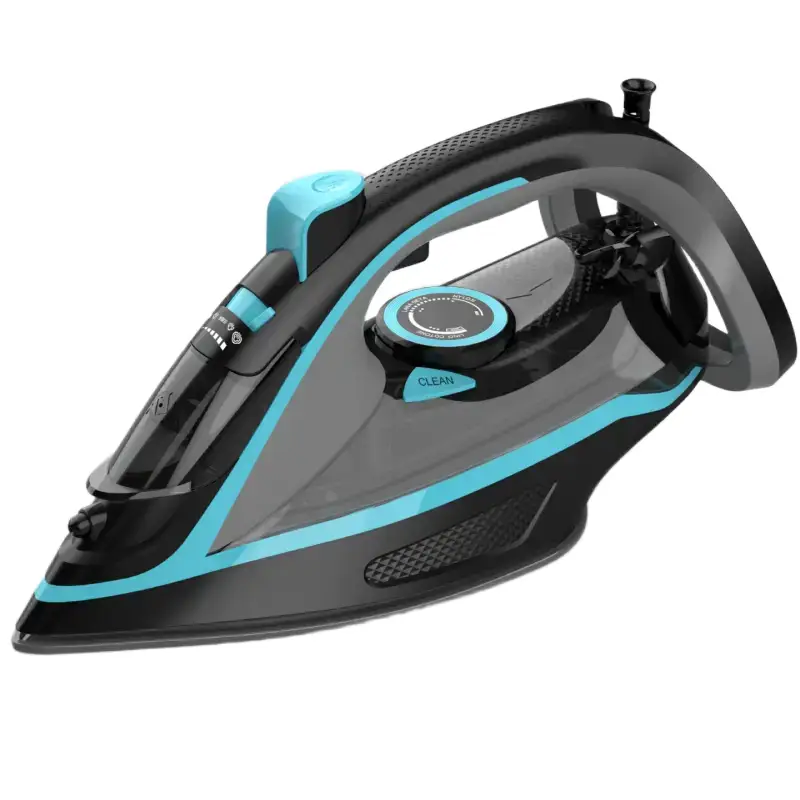
Abstract
The decision between using a garment steamer and a traditional iron is a recurring dilemma in household fabric care. This analysis examines the appropriate application of each appliance based on fabric type, desired finish, and situational context. An iron utilizes direct, high heat and pressure via a hot metal plate, making it highly effective for creating sharp creases and removing stubborn wrinkles from robust fabrics like cotton and linen. Conversely, a garment steamer employs heated vapor to relax fabric fibers, offering a gentle, non-contact method of wrinkle removal ideal for delicate, heat-sensitive, or textured materials such as silk, wool, and velvet. The assessment extends to synthetic fabrics, embellished garments, and practical considerations like portability, speed, and sanitizing capabilities. Understanding the fundamental mechanisms of each tool—conductive heat transfer for the iron versus convective heat from steam—is pivotal for effective garment maintenance, preventing damage, and achieving a professional-quality finish.
Key Takeaways
- Irons are best for creating crisp, sharp lines on sturdy fabrics like cotton and linen.
- Steamers are the safer, superior choice for delicate materials like silk, wool, and velvet.
- For travel and quick touch-ups, a portable garment steamer is more convenient.
- The steamer vs iron choice depends on the fabric’s structure and heat sensitivity.
- Steam can sanitize and deodorize fabrics without direct contact or harsh chemicals.
- Use an iron for stubborn wrinkles and a steamer for refreshing and de-wrinkling most items.
- Always check the garment’s care label before applying heat or steam.
Table of Contents
- The Fundamental Mechanics: Pressurized Heat Versus Permeating Vapor
- A Quick Comparison of Tools
- Fabric Decision Guide: The Seven Key Categories
- 1. Cotton and Linen: The Pursuit of Unwavering Crispness
- 2. Wool, Cashmere, and Natural Blends: Respecting the Fiber’s Integrity
- 3. Silk, Satin, and Chiffon: The Art of Handling Delicates
- 4. Polyester, Nylon, and Synthetics: A Modern Material Challenge
- 5. Velvet and Corduroy: Tending to Textiles with Texture
- 6. Denim: Mastering a Durable Classic
- 7. Embellished, Printed, and Pleated Items: The Complex Cases
- Beyond the Wardrobe: Situational Applications and Benefits
- Appliance Care: Ensuring Peak Performance and Longevity
- Frequently Asked Questions (FAQ)
- Conclusion
- References
The Fundamental Mechanics: Pressurized Heat Versus Permeating Vapor
Before we can intelligently choose our tool, we must first develop a deeper appreciation for how each one functions. It is not merely a matter of “hot thing makes wrinkles go away.” The process is a fascinating interplay of physics and material science. To understand the steamer vs iron question is to understand two very different philosophies of applying energy to fabric.
How an Iron Works: The Power of Direct, Conductive Heat
Think of a traditional steam iron as a focused instrument of force. Its primary weapon is a flat, smooth metal surface called a soleplate, which is heated to a precise temperature. When you press this hot plate onto a garment, you are engaging in a process called conductive heat transfer. The energy from the hot metal flows directly into the fabric’s fibers.
These fibers, whether they are plant-based like cotton or protein-based like wool, are made of long polymer chains. Wrinkles form when these chains become jumbled and set in disorganized positions. The intense, direct heat from the iron breaks the temporary bonds holding these polymers in their wrinkled state. Simultaneously, the weight and pressure you apply physically flatten the fibers, forcing those polymer chains to realign into a smooth, orderly arrangement. As the fabric cools, new bonds form, locking the fibers into this new, wrinkle-free state. The addition of steam from the iron’s vents acts as a plasticizer, making the fibers more pliable and receptive to this reshaping process (Gorondi, 2011). It is this combination of intense heat and direct pressure that makes an iron unmatched for creating sharp, defined creases in trousers or shirt collars.
How a Garment Steamer Works: The Gentle Persuasion of Convective Heat
A garment steamer operates on a completely different principle. It does not rely on pressure or direct contact. Instead, it heats water in a reservoir to create a continuous flow of hot vapor. This steam is then directed through a nozzle onto the hanging garment. Here, the process is one of convective heat transfer. The hot water vapor envelops the fabric’s fibers.
This gentle, moist heat also works to break the bonds holding the polymer chains in their wrinkled configuration. However, instead of being flattened by force, the fibers are simply relaxed. Gravity then does the work, pulling the now-pliable fabric downwards and encouraging the fibers to straighten and fall into their natural, smooth state. Because there is no direct pressure, a steamer cannot create sharp creases. Its strength lies in its gentle nature. It removes wrinkles without crushing the fabric’s natural texture or “nap,” which is crucial for materials like velvet or corduroy. This non-contact method also eliminates the risk of scorching or leaving shiny marks, which can happen when an iron is too hot or left in one spot for too long.
A Quick Comparison of Tools
To distill this down, let’s visualize the core differences in a more structured format. This table serves as a quick reference guide before we explore the nuances of specific fabrics.
| Feature | Steam Iron | Garment Steamer |
|---|---|---|
| Mechanism | Direct conductive heat and pressure | Indirect convective heat from vapor |
| Best For | Creating sharp creases, removing deep wrinkles | Relaxing wrinkles, refreshing fabrics |
| Fabric Suitability | Excellent for sturdy fabrics (cotton, linen, denim) | Excellent for delicates (silk, wool, velvet) |
| Surface Needed | Ironing board or flat, heat-safe surface | Garment hung vertically on a hanger |
| Portability | Generally heavier and bulkier | Handheld models are lightweight and travel-friendly |
| Risk of Damage | Higher risk of scorching, burning, or shiny marks | Very low risk of damage to fabric |
| Sanitizing | High heat can kill some bacteria | Steam is highly effective at killing bacteria/dust mites |
| Speed | Can be slower, requires setup | Very fast for quick touch-ups and refreshing |
Fabric Decision Guide: The Seven Key Categories
With a foundational understanding of our tools, we can now embark on a more detailed exploration. The real art of fabric care lies in matching the method to the material. Each fabric possesses a unique personality—a distinct fiber structure, heat tolerance, and texture that dictates its preferred treatment. The debate over steamer vs iron is not about which is “better” overall, but which is the right and proper tool for the specific garment you hold in your hands. What follows is a guide through seven principal fabric families, designed to cultivate an intuitive sense for making the correct choice.
1. Cotton and Linen: The Pursuit of Unwavering Crispness
When we think of a classic, impeccably pressed garment—a starched white dress shirt, a sharp pair of khaki trousers, or a smooth linen tablecloth—we are almost certainly picturing the handiwork of an iron. Cotton and linen are cellulosic fibers, derived from plants. Their molecular structure makes them exceptionally durable but also highly prone to deep, stubborn wrinkling.
Why an Iron Excels
To effectively smooth cotton and linen, you need the trifecta that only an iron can provide: high heat, moisture, and pressure. The high temperature is necessary to fully break the hydrogen bonds within the plant fibers that have set into a wrinkled state. The steam from the iron penetrates these fibers, making them pliable, while the weight of the iron physically presses them into a flat, uniform alignment. A steamer, which lacks direct pressure, simply cannot exert the force required to eliminate the deep-set creases characteristic of these fabrics. Attempting to steam a heavily wrinkled linen shirt will likely result in a softer, less wrinkled shirt, but it will never achieve that sharp, “just-pressed” crispness.
When a Steamer Can Suffice
This is not to say a steamer has no place in the care of cotton and linen. For a lightweight cotton t-shirt or a pair of linen-blend trousers that are only lightly creased, a steamer can be an excellent tool for a quick refresh. If your goal is a more relaxed, casual look rather than a sharp, formal one, a steamer can quickly remove the worst of the wrinkles and make the garment perfectly wearable in a fraction of the time it would take to set up an ironing board. It is also the ideal tool for refreshing a cotton blazer or linen dress between wears without subjecting it to a full press.
Pro Tips for a Flawless Finish
When ironing cotton or linen, it is best to do so while the fabric is still slightly damp from the wash. If the garment is already dry, use a spray bottle to lightly mist it with water before pressing. Always use the appropriate high-heat setting (often labeled “Cotton/Linen” on the iron’s dial) and keep the iron moving to prevent scorching. For dark-colored cottons, it is wise to iron on the reverse side to avoid creating a subtle sheen on the fabric’s surface.
2. Wool, Cashmere, and Natural Blends: Respecting the Fiber’s Integrity
We now move from the world of sturdy plant fibers to the more delicate realm of animal proteins. Wool, cashmere, and similar fibers are composed of keratin, the same protein found in human hair. These fibers have a complex structure with overlapping scales, which gives them their characteristic softness, elasticity, and insulating properties. This structure is also what makes them vulnerable to damage from improper heat application.
The Dangers of Direct Heat
Placing a hot, dry iron directly onto a wool sweater or suit jacket is a recipe for disaster. The high, direct heat can scorch the protein fibers, leading to irreparable damage and a distinct “burnt hair” smell. Even if it does not burn, the pressure from the iron can flatten and crush the natural loft and texture of the wool, leaving it looking lifeless and shiny—a phenomenon known as “glazing.” This is why you will often see instructions to use a pressing cloth (a piece of damp cotton fabric placed between the iron and the wool garment) if ironing is absolutely necessary.
The Steamer as the Superior Choice
Here, the garment steamer truly becomes the hero. The gentle, moist heat from the steamer is perfect for wool. It penetrates the protein fibers, allowing them to relax and release wrinkles without any of the risks associated with an iron. The steam also helps to lift and restore the natural pile of the fabric, making a wool coat or sweater look refreshed and voluminous. Steaming is the ideal method for removing wrinkles from tailored wool suits, delicate cashmere scarves, and chunky knit sweaters. It deodorizes the fabric and helps to remove surface dust without the need for frequent, and potentially damaging, dry cleaning.
Can You Ever Iron Wool?
If you find yourself without a steamer and must use an iron on a wool garment, extreme caution is paramount. Never let the iron’s soleplate touch the wool directly. Always use a pressing cloth. Set the iron to its designated wool setting, which is a moderate temperature, and use plenty of steam. Press gently in an up-and-down motion rather than sliding the iron back and forth, which can stretch the delicate fibers. For many, exploring a quality fabric care collection can provide the right tools for these sensitive jobs. However, in the great steamer vs iron debate for wool, the steamer is the undisputed champion for everyday care.
3. Silk, Satin, and Chiffon: The Art of Handling Delicates
Silk, another protein fiber (produced by silkworms), and its synthetic cousins like satin and chiffon, represent the pinnacle of delicate fabrics. They are prized for their beautiful drape, smooth feel, and lustrous sheen. They are also notoriously easy to ruin. Water spots, scorch marks, and snags are constant threats.
The High Risk of Ironing
Ironing silk is a high-stakes operation. The fabric is incredibly sensitive to heat, and a temperature setting that is even slightly too high can scorch or melt the fibers, leaving a permanent shiny or bubbled mark. According to research on textile thermal properties, silk has a lower decomposition temperature than cotton, making it far more susceptible to heat damage (Song, 2011). Water stains are another major concern; droplets from an iron’s steam vents can leave behind noticeable rings on many types of silk. If ironing is the only option, the iron must be on its lowest setting, the garment must be turned inside-out, and it should be pressed while still slightly damp, preferably with a pressing cloth as an added layer of protection.
Steaming for Safety and Elegance
For these reasons, a garment steamer is the overwhelmingly preferred tool for caring for silk, satin, and chiffon. The gentle, diffused heat of the steam relaxes wrinkles effectively without the risk of scorching. Since the steamer’s nozzle never touches the fabric, there is no danger of creating shiny spots or crushing the delicate weave. Steaming from a slight distance allows the vapor to do its work, preserving the fabric’s natural luster and fluid drape. It is the safest and most effective way to ensure your blouses, dresses, and scarves look their best.
Technique for Ultra-Delicate Fabrics
When steaming silk or chiffon, it is often best to work from the inside of the garment. This ensures the steam fully penetrates the fabric while providing an extra buffer against any potential water droplets from the nozzle. Hold the steamer nozzle a few inches away from the fabric and move it in continuous, smooth motions from top to bottom. You will see the wrinkles simply melt away, leaving behind a smooth, elegant finish.
4. Polyester, Nylon, and Synthetics: A Modern Material Challenge
Synthetic fabrics like polyester, nylon, and rayon are ubiquitous in modern wardrobes. These materials are essentially plastics, created through chemical processes. Their primary advantage is their durability and wrinkle resistance, but they come with a significant vulnerability: a low melting point.
The Melting Point Problem
Applying an iron that is too hot to a polyester blouse or nylon workout gear can have catastrophic consequences. The fabric can literally melt onto the iron’s soleplate, ruining both the garment and potentially the iron itself. This is why care labels on synthetic garments almost always specify a low or “synthetic” heat setting. Even on a low setting, care must be taken, as lingering too long in one spot can still cause the fibers to glaze or deform.
Low-Heat Ironing vs. Steaming
For synthetics, both low-heat ironing and steaming can be effective, and the choice often comes down to the specific garment and desired result. If you need to press a sharp collar on a polyester work blouse, a cool iron used on the reverse side of the fabric is the best approach. Turning the garment inside-out is a crucial step to protect the fabric’s finish from direct contact with the soleplate.
However, for most everyday wrinkle removal on synthetics, a steamer is often the faster, safer, and easier option. It quickly removes creases from travel or storage without any risk of melting. It is particularly effective on synthetic blends, like cotton-poly t-shirts or rayon dresses, where it can relax wrinkles without the precision heat management required for ironing.
The Steamer’s Advantage for Blends
Many modern fabrics are blends, combining the properties of natural and synthetic fibers. A common example is a 50/50 cotton-polyester blend. In these cases, you must always defer to the most delicate fiber in the mix—in this case, the polyester. While the cotton could handle high heat, the polyester cannot. A steamer provides a universal solution, gently heating the entire garment to a temperature that is safe for the synthetic component while still being effective enough to relax the wrinkles in the cotton component. This makes it an invaluable and versatile tool for a modern, mixed-material wardrobe.
5. Velvet and Corduroy: Tending to Textiles with Texture
Velvet and corduroy are what we call “pile” or “napped” fabrics. They have a raised surface created by an extra set of yarns woven into the base fabric and then cut. This pile is what gives them their signature softness and unique appearance. It is also incredibly fragile.
Why Ironing is a Cardinal Sin
Ironing a velvet or corduroy garment from the outside is one of the most common and irreversible fabric care mistakes. The direct heat and pressure of the iron will crush the raised pile, leaving behind a flat, shiny, and permanently damaged patch. The texture that defines the fabric will be gone forever from that spot. You simply cannot press these fabrics in a conventional way.
Restoring Pile and Loft with Steam
This is a scenario where there is no steamer vs iron debate; the steamer is the only correct tool for the job. The hot, moist vapor from a garment steamer gently penetrates the base of the fabric and relaxes the fibers of the pile without crushing them. This not only removes wrinkles from the garment but also helps to revive and lift a pile that may have become flattened during wear or storage. Steaming is how you restore the plush, luxurious look and feel of a velvet dress or a pair of corduroy trousers.
The Inside-Out Steaming Method
The best technique for steaming napped fabrics is to turn the garment inside-out and steam it from the reverse side. This allows the steam to work on the base fabric to remove wrinkles while protecting the delicate pile on the exterior from direct exposure to the steam jet. After steaming the inside, you can turn the garment right-side-out and use the steamer from a distance of several inches to lightly fluff the pile. For stubborn areas, steaming the garment while it hangs over a soft, towel-covered surface can also be effective.
6. Denim: Mastering a Durable Classic
Denim is a rugged, durable twill fabric, typically made from cotton. It is built to withstand hard wear, which means it can also handle a fair amount of heat. The choice between a steamer and an iron for denim often comes down to personal preference and the desired aesthetic.
Ironing for Sharp Creases
If you prefer your jeans to have a sharp, defined crease down the center of the leg, or if you are dealing with a denim jacket or shirt that is severely wrinkled, an iron is your best bet. Using a hot iron with plenty of steam will allow you to press the thick fabric into submission, creating a crisp, neat appearance. As with other cotton fabrics, ironing denim while it is slightly damp will yield the best results.
Steaming for a Relaxed Look
For most people and for most everyday wear, a steamer is a perfectly adequate and much faster tool for denim. A quick pass with a garment steamer will relax the majority of wrinkles and creases from a pair of jeans that have been folded in a drawer, making them look fresh and ready to wear. This method results in a softer, more casual and “lived-in” appearance, which is often the desired look for denim anyway. Steaming is also great for quickly refreshing a denim jacket between washes to remove any odors and light creases.
The Steamer vs. Iron Debate for Jeans
Ultimately, for denim, the decision is less about fabric safety and more about style. Do you want a sharp, pressed look? Use an iron. Do you want a comfortable, relaxed look achieved in under a minute? Use a steamer. Many households find that having access to a range of high-quality appliances gives them the flexibility to choose the right tool for any situation.
7. Embellished, Printed, and Pleated Items: The Complex Cases
Our final category includes garments that are complex not because of their base fabric, but because of what has been added to them. This includes items with sequins, beads, rhinestones, screen-printed graphics, or structured pleats.
Protecting Beads, Sequins, and Prints
For any garment with embellishments like beads or sequins, or with a plastic-based screen print, an iron is a significant hazard. The hot soleplate can easily melt plastic beads, crack delicate glass ones, or destroy a printed graphic. It is nearly impossible to maneuver an iron around these intricate details without causing damage.
Why a Steamer is Non-Negotiable
A garment steamer is the only safe way to de-wrinkle these items. You can direct the steam around the embellished areas without ever making contact. The gentle heat will relax the fabric of the garment without endangering the delicate additions. For screen-printed t-shirts, it is always best to steam them from the inside to avoid any direct heat on the print itself, just as a precaution.
Setting Pleats: A Job for the Iron?
Pleated garments present a unique challenge. A steamer is excellent for refreshing a pleated skirt or dress and removing any unwanted wrinkles between the pleats. However, a steamer cannot create or reset a pleat. The sharp, baked-in folds of a pleat are created using industrial heat and pressure. If the original pleats on a garment have started to fall out, you may need to carefully use an iron to reset them. This is a delicate process that involves pressing each pleat individually, often with the help of clips to hold it in place. For everyday de-wrinkling, however, a steamer is the right tool to keep the garment looking fresh without disturbing the existing pleats.
Beyond the Wardrobe: Situational Applications and Benefits
The choice between a steamer and an iron is not just about fabric; it is also about lifestyle. Different situations call for different tools.
Speed, Convenience, and Portability
In the morning rush, when you discover your chosen shirt has a few wrinkles, there is no contest. A handheld garment steamer heats up in under a minute and can have your shirt looking pristine while it is still on the hanger. There is no need to haul out an ironing board. For travelers, a compact travel steamer is an indispensable gadget for reviving clothes that have been crammed into a suitcase.
Sanitizing and Deodorizing
Steam is a powerful natural sanitizer. The high temperature of the water vapor is effective at killing most common bacteria, germs, and dust mites (Kohnen, 2020). This makes a steamer an excellent tool for refreshing items that are not easily washed, such as upholstery, curtains, pillows, and mattresses. A quick pass with a steamer can deodorize a sports coat or a piece of furniture, leaving it smelling fresh without the use of chemical sprays.
Achieving Sharp Creases and a Professional Finish
Despite the steamer’s versatility, the iron remains the king of crispness. For formal occasions, business attire, or any time a razor-sharp crease is desired, the iron is the only tool that can deliver. The combination of heat and pressure is essential for the sharpest collars, cuffs, and trouser pleats. For a deeper understanding of which appliance suits your specific needs, steamer vs iron can provide additional insights.
Appliance Care: Ensuring Peak Performance and Longevity
Your iron and steamer are tools, and like any good tool, they require maintenance to function properly. Neglect can lead to poor performance and can even cause damage to your clothes.
Cleaning Your Iron’s Soleplate
Over time, the soleplate of your iron can accumulate residue from melted synthetic fibers, spray starch, or mineral deposits from hard water. This buildup can cause the iron to drag instead of glide, and it can transfer stains to clean clothes. Regular cleaning is essential. An article from Borosil suggests several methods, including using a paste of baking soda and water or a vinegar solution. For a simple method, you can make a paste of equal parts baking soda and water. Apply the paste to the cool soleplate, scrub gently with a soft cloth, and then wipe it clean with a damp cloth. Ensure the iron is completely dry before using it.
Descaling Your Garment Steamer
The most common issue with garment steamers is clogging due to mineral buildup from tap water. This is especially true in areas with hard water. This buildup can cause the steamer to spit water or stop producing steam altogether. To prevent this, it is best to use distilled or demineralized water in your steamer. If you need to descale it, a common method is to run a cycle with a solution of one part white vinegar to two parts water. After running the vinegar solution through, run one or two full cycles with plain distilled water to rinse out any remaining vinegar. Always consult your appliance’s manual for specific cleaning and descaling instructions.
Frequently Asked Questions (FAQ)
Can a steamer replace an iron completely?
For many people with a casual wardrobe, a steamer can handle the vast majority of their wrinkle-removal needs. However, if you frequently wear formal business attire or require sharp creases (e.g., on trousers or dress shirts), a steamer cannot fully replace an iron. The two tools serve complementary functions.
Is steaming or ironing better for killing germs?
Both methods are effective at killing germs due to the high heat involved. However, steam is often considered superior for sanitizing because the hot vapor can penetrate fabrics more deeply and evenly than the surface heat of an iron. It is also usable on a wider range of surfaces, like upholstery and curtains.
Why does my steamer sometimes spit water?
Water spitting is almost always caused by one of two things: overfilling the water reservoir or a buildup of minerals inside the steamer. Try not to fill the tank beyond the maximum line. If the problem persists, it is likely time to descale your steamer using a vinegar and water solution as described in the maintenance section.
Can I use a steamer on curtains and upholstery?
Yes, absolutely. A steamer is an excellent tool for refreshing and de-wrinkling curtains while they are still hanging. It is also great for sanitizing and removing light odors from fabric-covered furniture like sofas and chairs. Always test on a small, inconspicuous area first.
What is the best way to store my iron and steamer?
For an iron, always empty the water reservoir after each use to prevent leaking and internal corrosion. Wrap the cord loosely around the base and store it in an upright position. For a steamer, also empty the water tank after use. Allow it to cool completely before storing it away to prevent mildew growth in the tank or hose.
Conclusion
The discourse surrounding the steamer vs iron is not a zero-sum game where one must be declared the victor. Rather, it is an exercise in appreciating the distinct capabilities of two highly effective tools. The iron, with its direct application of heat and pressure, is an instrument of precision and force, indispensable for instilling structure and crispness into sturdy fabrics. The steamer, by contrast, is an agent of gentle persuasion, using the pervasive power of vapor to relax and refresh, making it the guardian of delicate and textured materials.
An empathetic understanding of your garments—recognizing the inherent nature of their fibers—is the true key to making the right choice. By learning to see a wool suit not just as clothing but as a complex protein structure, or a linen shirt as a durable but crease-prone cellulosic fabric, you elevate fabric care from a chore to a craft. The ultimate goal is to preserve the integrity, beauty, and longevity of the clothes you have invested in. A well-equipped home, perhaps featuring both an iron and a steamer from a selection of quality household appliances, provides the versatility needed to treat every item in your wardrobe with the specific care it deserves.
References
Gorondi, A. (2011). Investigation of textile handle properties. In P. J. Hauser (Ed.), Textiles for advanced applications. IntechOpen.
Kohnen, C. (2020, April 20). How to kill germs in your laundry. The New York Times.
Mehta, K. (2023, May 25). How to clean an iron. Borosil. myborosil.com
Song, G. (2011). Clothing thermal properties. In G. Song (Ed.), Thermal protective clothing for firefighters. Woodhead Publishing.